How 40 Hz gamma stimulation improves memory and cognitive function
40 Hz frequency benefits, explained: what gamma stimulation actually does to the brain, whether it improves memory and focus, and how to try it free.
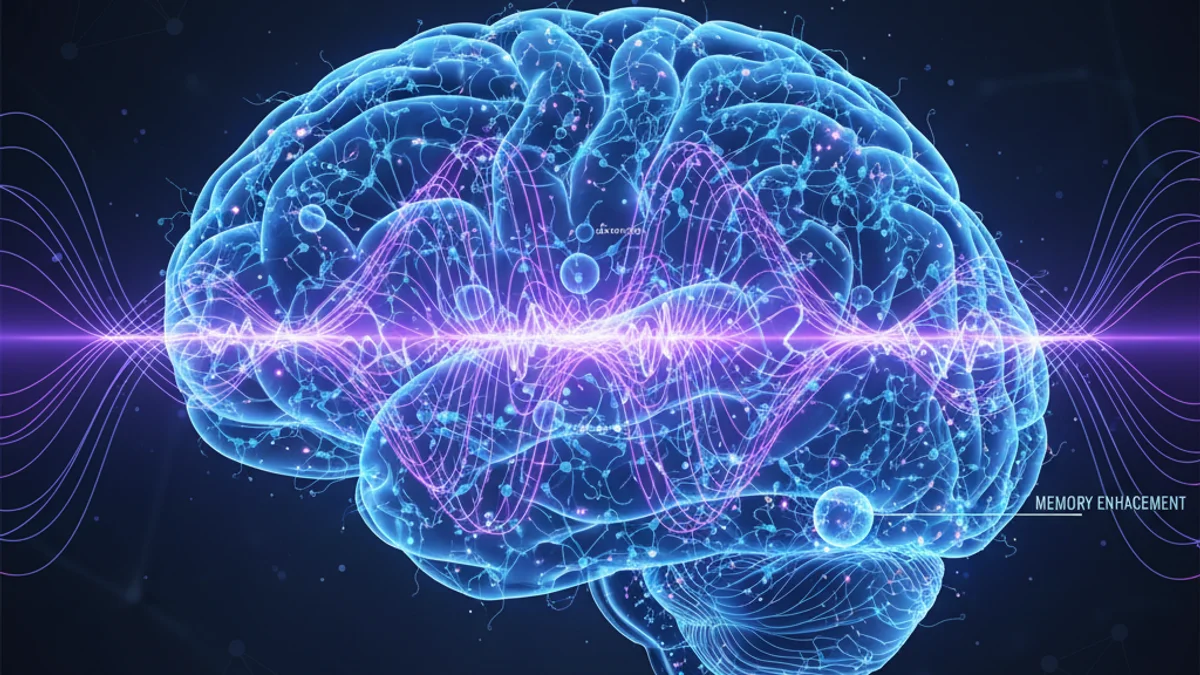
A decade of research from MIT has shown something remarkable: exposing the brain to 40 Hz audio-visual stimulation can reduce amyloid plaque accumulation, prevent neuronal death, and maintain memory function. While this research originally focused on Alzheimer’s disease, the underlying mechanism - gamma brainwave entrainment - has important implications for anyone experiencing cognitive symptoms related to depression, anxiety, or stress.
What are the benefits of 40 Hz gamma stimulation?
For readers who want the short answer first, the benefits of 40 Hz gamma waves that the research and clinical practice most consistently point to are:
- Sharper focus and attention - the most immediate, reliable effect people notice after a short session.
- Better working memory and recall - the cognitive functions most tightly linked to gamma-band activity.
- Greater mental clarity and alertness - useful before focused work, study, or a demanding task.
- More gamma activity on EEG - the measurable signature that the entrainment is actually engaging the brain.
- Support for the brain’s waste-clearance system - 40 Hz activates the glymphatic and microglial clean-up linked in MIT’s work to long-term brain health.
The honest framing matters: the immediate focus-and-clarity effects are what 40 Hz is reliably good for, while the long-term brain-health questions are still being studied (see our breakdown of what the 40 Hz Alzheimer’s trial data actually shows). The rest of this article explains how it works, when it helps, and how to try it.
A breakthrough in neurology: 40 Hz stimulation and brain health
The MIT research team, led by Li-Huei Tsai, discovered that 40 Hz sensory stimulation activates the brain’s glymphatic drainage system - essentially the brain’s waste removal process. When this system functions properly, it clears out cellular debris, including the amyloid proteins that accumulate in neurodegenerative conditions.
What makes this discovery particularly relevant for mental health is that depression and anxiety also involve disrupted brain activity patterns. When your brain is stuck in stress-related frequencies, cognitive functions like memory, concentration, and mental clarity suffer. The 40 Hz stimulation helps reset these patterns by encouraging the brain to produce gamma waves - the fastest brainwave frequency associated with peak cognitive performance.
What does 40 Hz do to the brain?
Gamma brainwaves (30-100 Hz, with 40 Hz being optimal) are generated when large groups of neurons fire in synchronized patterns. This synchronization doesn’t just happen randomly - it requires healthy cellular function and proper communication between different brain regions.
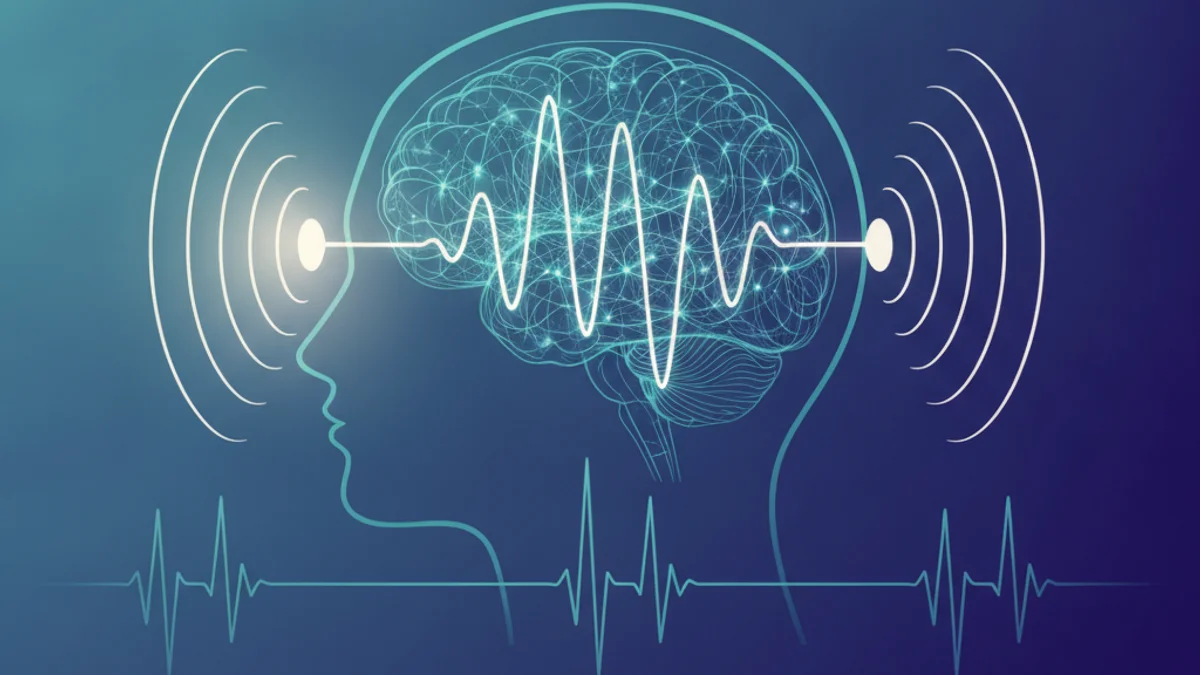
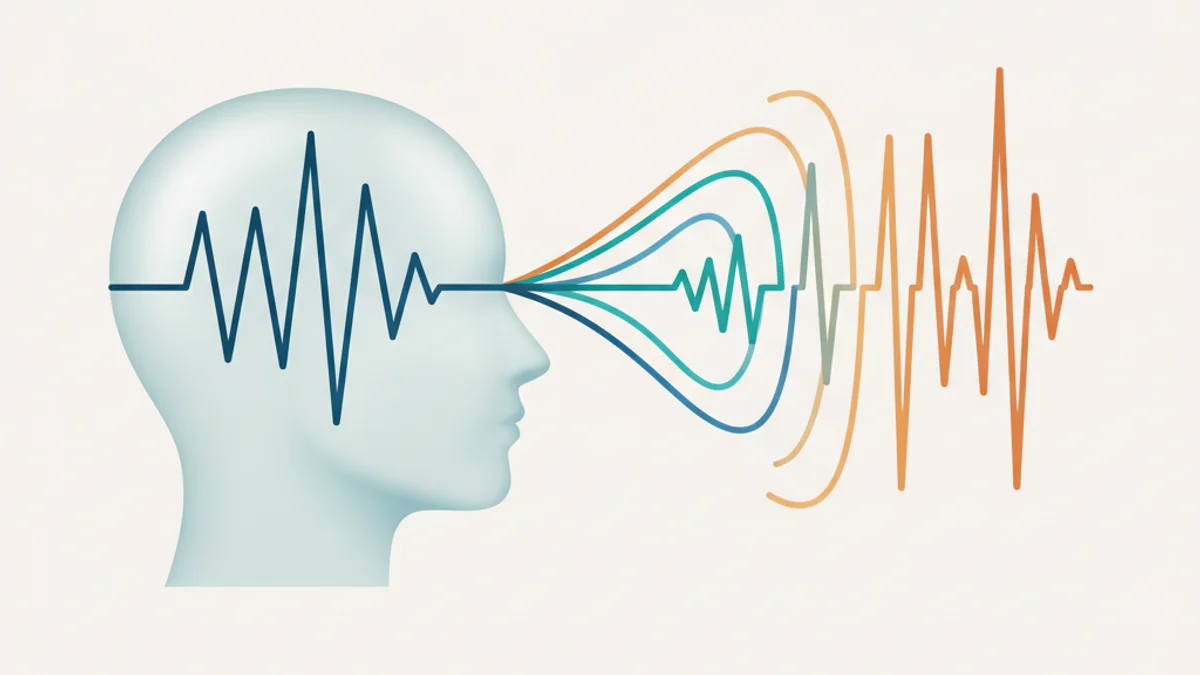
When you’re exposed to 40 Hz audio-visual stimulation through AVE therapy, your brain’s neurons begin to synchronize with this external rhythm through a process called frequency following response. This entrainment:
- Activates microglial cells (the brain’s immune cells) to clear cellular waste
- Enhances cerebral blood flow
- Improves communication between brain regions
- Strengthens neural networks involved in memory formation
For people with depression, this matters because cognitive symptoms - brain fog, poor memory, difficulty concentrating - are often as debilitating as the emotional symptoms. The research shows that supporting healthy gamma activity can help restore cognitive clarity.
From laboratory to clinical practice: AVE therapy in action
While MIT’s research used specialized equipment in controlled settings, the underlying principle - frequency following response to 40 Hz stimulation - is the same mechanism used in clinical AVE therapy.
At our practice office in Sofia, we use precision-timed light and sound sequences to guide the brain into specific frequency ranges, including gamma. Unlike the research setting, clinical AVE therapy is:
- Personalized based on your individual brain patterns (measured via EEG)
- Adjusted throughout treatment as your brain responds
- Combined with other therapeutic approaches for comprehensive support
- Delivered in comfortable, relaxing sessions
The sessions typically last 20-30 minutes, during which you wear specialized glasses that deliver gentle light pulses and headphones that provide synchronized sound. Most people describe the experience as deeply relaxing, often entering a meditative state.
When 40 Hz stimulation is appropriate
Based on clinical experience and research, gamma stimulation through AVE therapy can be particularly helpful for:
Memory and concentration issues - If you notice you’re forgetting things more often, struggling to focus, or experiencing “brain fog,” gamma stimulation may help restore cognitive clarity.
Cognitive symptoms in depression - Depression often comes with mental sluggishness, poor working memory, and difficulty making decisions. Supporting healthy gamma activity addresses these cognitive aspects of depression.
Stress-related mental fatigue - Chronic stress depletes cognitive resources. Gamma entrainment can help the brain recover its processing efficiency.
Age-related cognitive concerns - While we’re not treating Alzheimer’s disease, the same mechanisms that help clear amyloid plaques may support overall brain health as we age.
It’s important to note that while our primary specialization is depression, anxiety, and insomnia (with hundreds of clinical sessions), we also have experience with secondary conditions like burnout and technology addiction (with dozens of sessions). For topics outside our primary specialization, we always include clarifying language about where our expertise is strongest.
What to expect from an AVE session with gamma frequencies
A typical gamma-focused AVE session follows this pattern:
-
Initial assessment - We start with questionnaires and EEG measurement to understand your baseline brain activity patterns.
-
Frequency selection - Based on your assessment, we design a protocol that may include 40 Hz gamma stimulation along with other frequencies that support your specific needs.
-
The session - You sit comfortably while wearing the AVE glasses and headphones. The light pulses are visible through closed eyelids, creating a gentle, flickering sensation. Most people find this deeply relaxing.
-
Duration - Sessions typically run 20-30 minutes, though initial sessions may be shorter as your brain adapts.
-
Immediate effects - Many people report feeling mentally clearer and more alert after a gamma session, though the full cognitive benefits build over multiple sessions.
-
Progress tracking - We use standardized questionnaires and follow-up EEG measurements to track improvements in your cognitive symptoms objectively.
The approach is complementary - it works alongside other therapeutic interventions you may be using. If you’re taking medication for depression or anxiety, AVE therapy can be safely combined with pharmacological treatment.
Practical steps: supporting cognitive health
If you’re experiencing cognitive symptoms affecting your daily life:
Start with assessment - Understanding your specific brain activity patterns helps target the intervention appropriately. At our practice office in Sofia, we begin every treatment plan with comprehensive assessment.
Consider gamma-focused AVE therapy - For people experiencing memory problems, concentration difficulties, or mental fog - especially when these occur alongside depression or anxiety - AVE therapy offers a science-based approach to cognitive support.
Maintain realistic expectations - This is a therapeutic approach that helps your brain function better, not a quick fix. Most people notice cognitive improvements within 4-8 weeks of consistent sessions.
Is 40 Hz safe? Side effects to know
For most people, 40 Hz audio-visual stimulation is very safe, and side effects are mild and uncommon - typically slight eye strain or a passing headache if the brightness is too high or a session runs too long. The one important contraindication is photosensitive epilepsy: flickering light can trigger seizures in susceptible individuals, so anyone with a seizure history should avoid the light component and use audio-only sessions. For the full clinician-style breakdown of contraindications and screening, see our guide on whether AVE therapy is safe.
The bottom line
The MIT research gives us confidence that supporting healthy gamma activity is not just theoretically sound - it has measurable effects on brain health. In clinical practice, we see these principles translate into real improvements in memory, mental clarity, and overall cognitive function for people struggling with depression and anxiety.
Your brain has remarkable capacity to improve its function when given the right support. The question isn’t whether your cognitive symptoms can get better - it’s whether you’re ready to try an approach based on solid neuroscience research.
If you’d like to try 40 Hz gamma stimulation yourself, the free 6th Mind app includes six dedicated 40 Hz gamma sessions that work with or without headphones.
Sources
- “Evidence for 40Hz Gamma Stimulation Promotes Brain Health, Expanding” - MIT News, 2025
- “Audio-Visual Entrainment (AVE) Mechanisms” - Mind Alive Inc.
- “Theta and Gamma Effects on Memory” - PMC, 2024