Announcing 6th Mind version 2
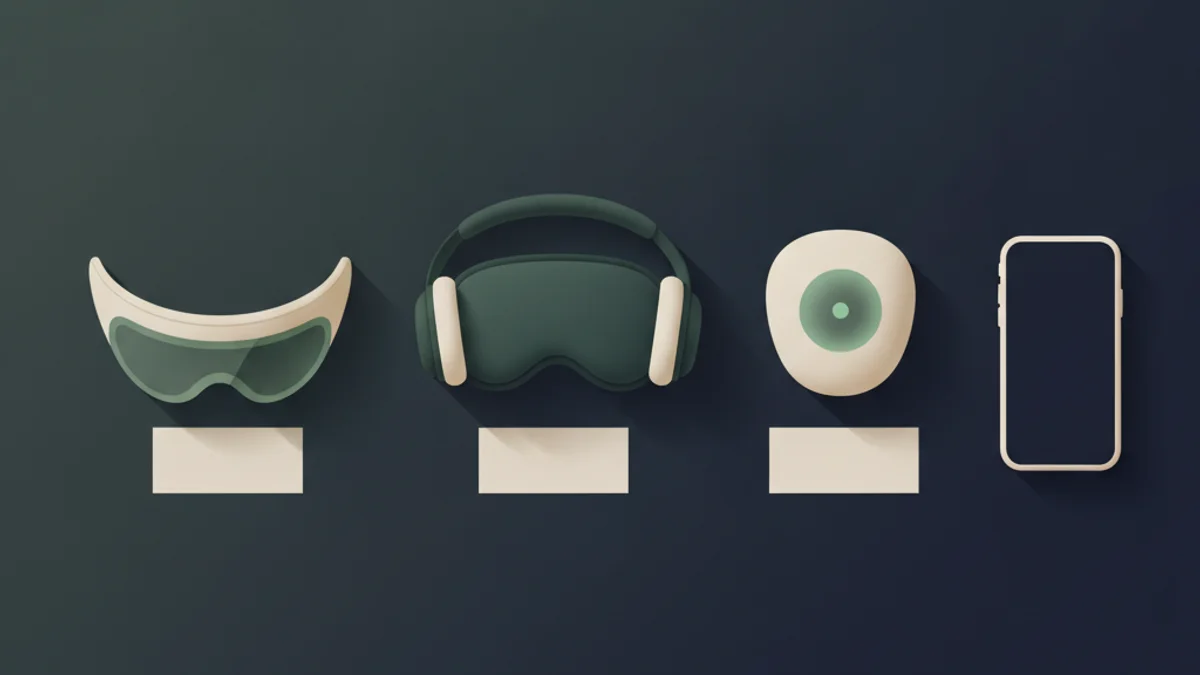
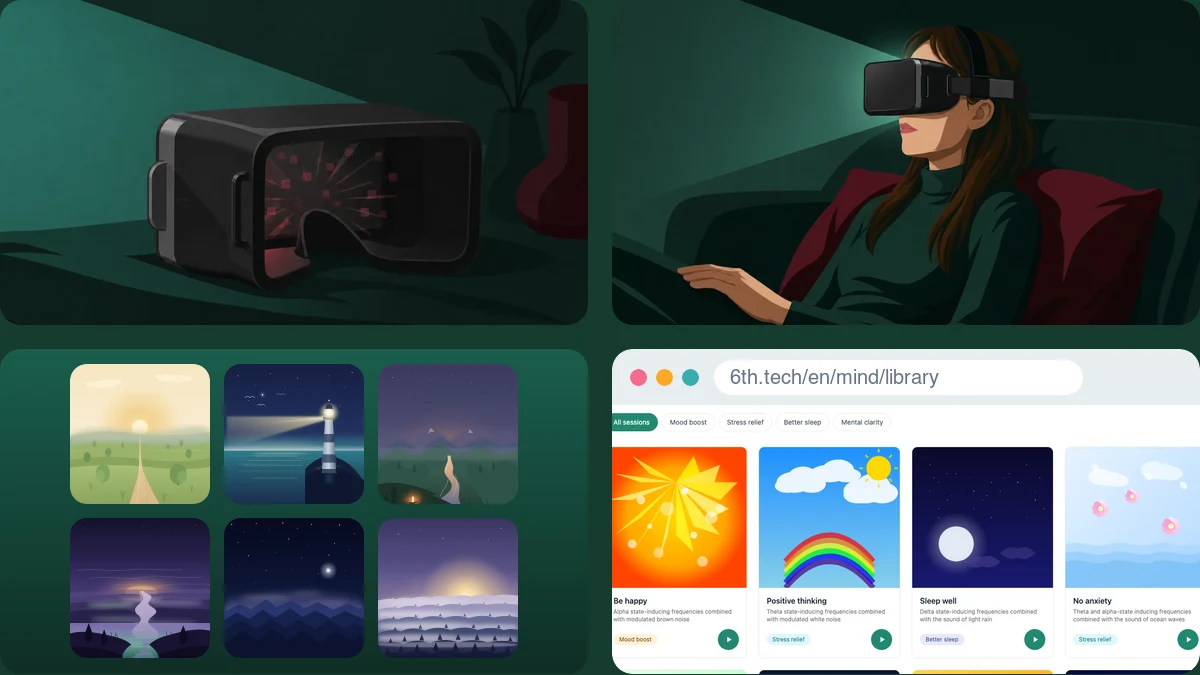
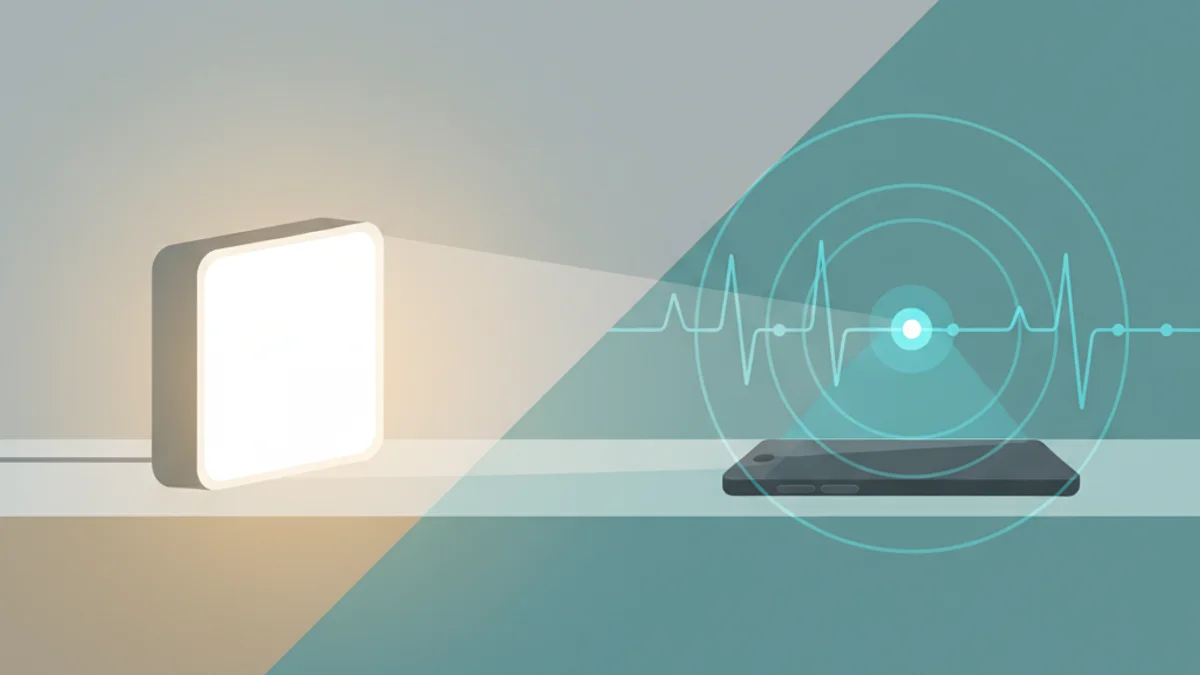
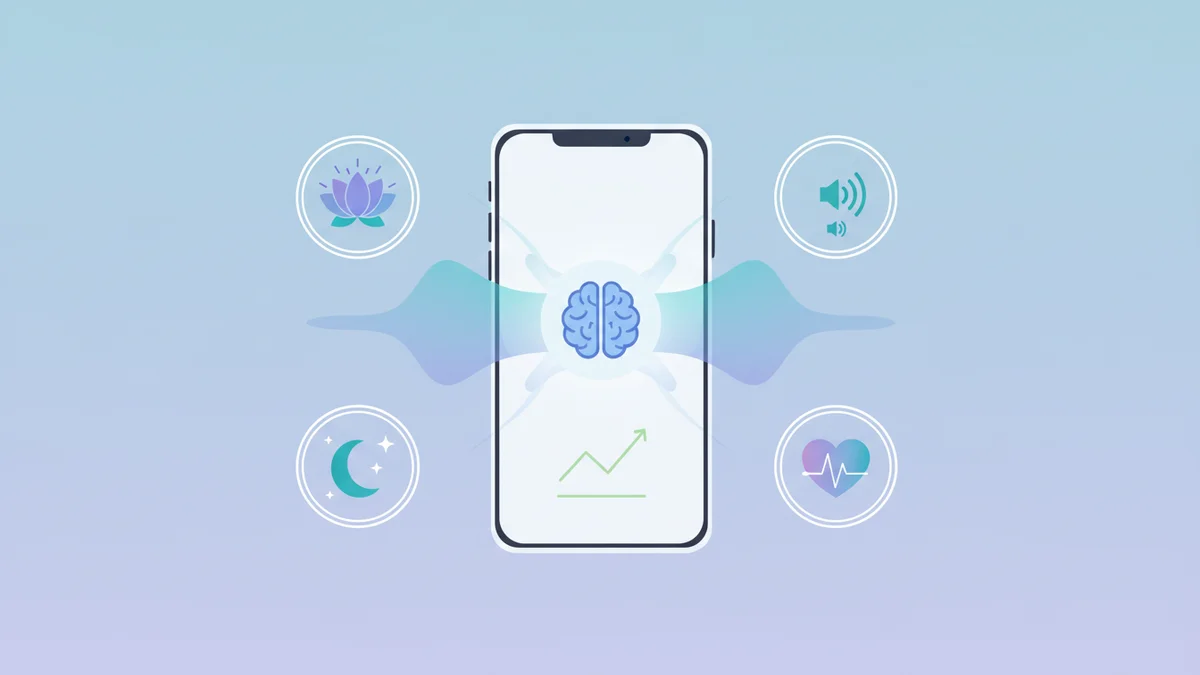
6th Mind version 2 is here, and it is still free. Meet headset mode, which turns your phone's screen into a full-field entrainment light source, plus open-eyes sessions, Mental 6-packs, and the new web Session Library.
Insights, research, and practical advice on mental health and well-being.
6th Mind version 2 is here, and it is still free. Meet headset mode, which turns your phone's screen into a full-field entrainment light source, plus open-eyes sessions, Mental 6-packs, and the new web Session Library.
A 2026 Cell Research study finds 40 Hz flickering light eases pain in mice via adenosine, the molecule behind sleep pressure and post-session sleepiness.
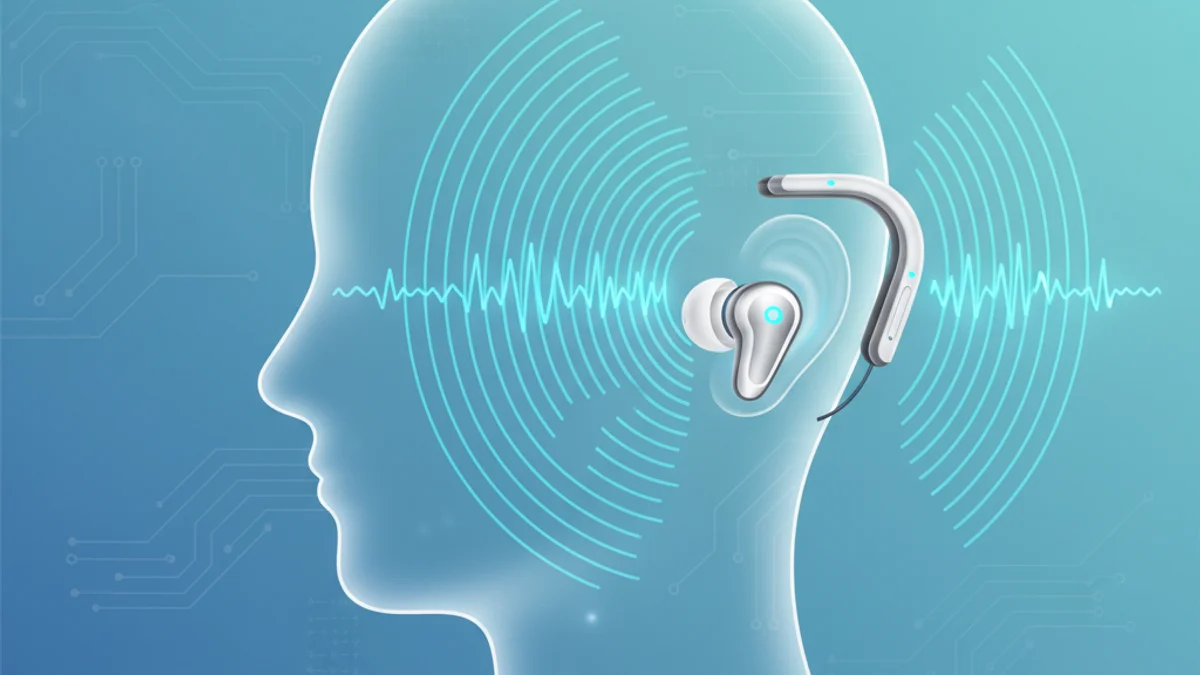
Isochronic tones benefits, examined honestly: how the pulse train works, why it drives a cleaner brain response than binaural beats, why it needs no headphones, and where the evidence runs out.
Searching how to lucid dream in 1 minute? The honest answer: the techniques with real evidence, a four-week protocol, and the sleep costs guides skip.
An evidence-first look at 40 Hz gamma stimulation: what it does to the brain, what the MIT and cognition research shows, and where the evidence is genuinely thin.
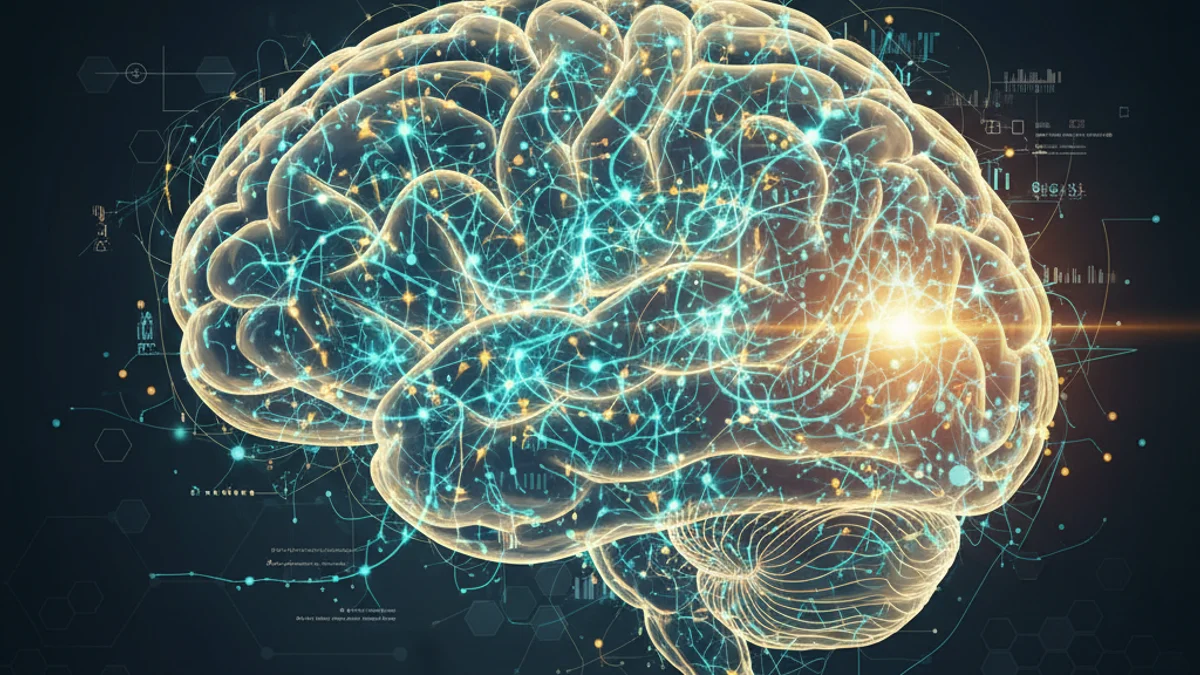
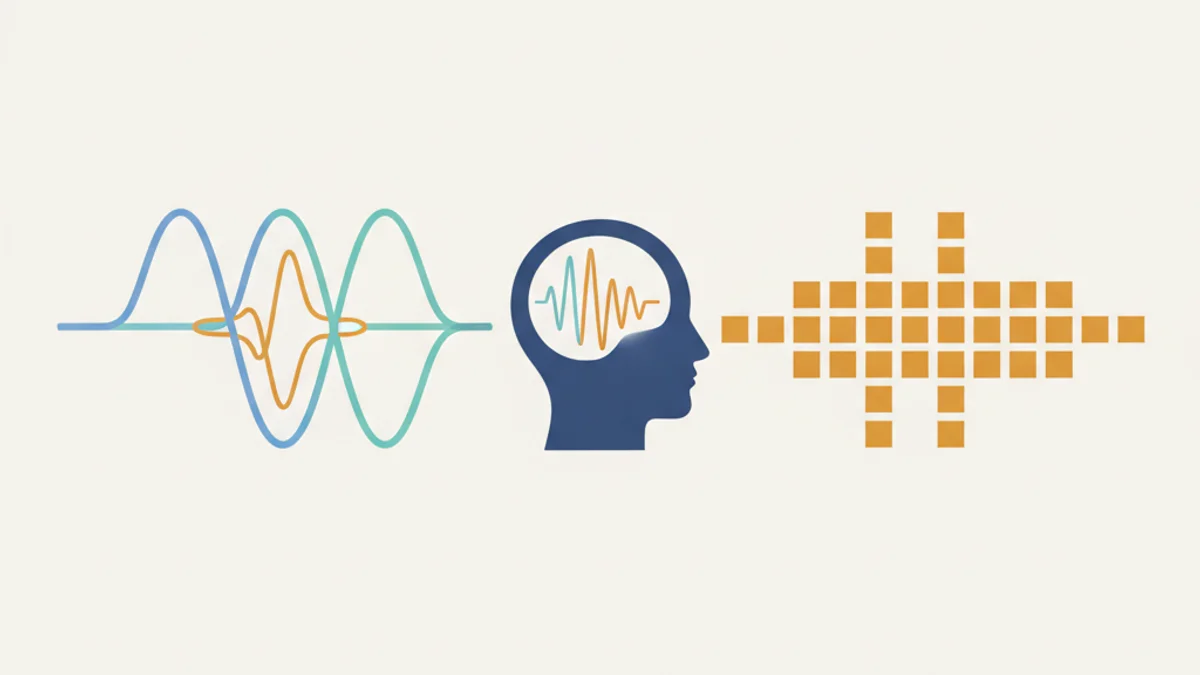
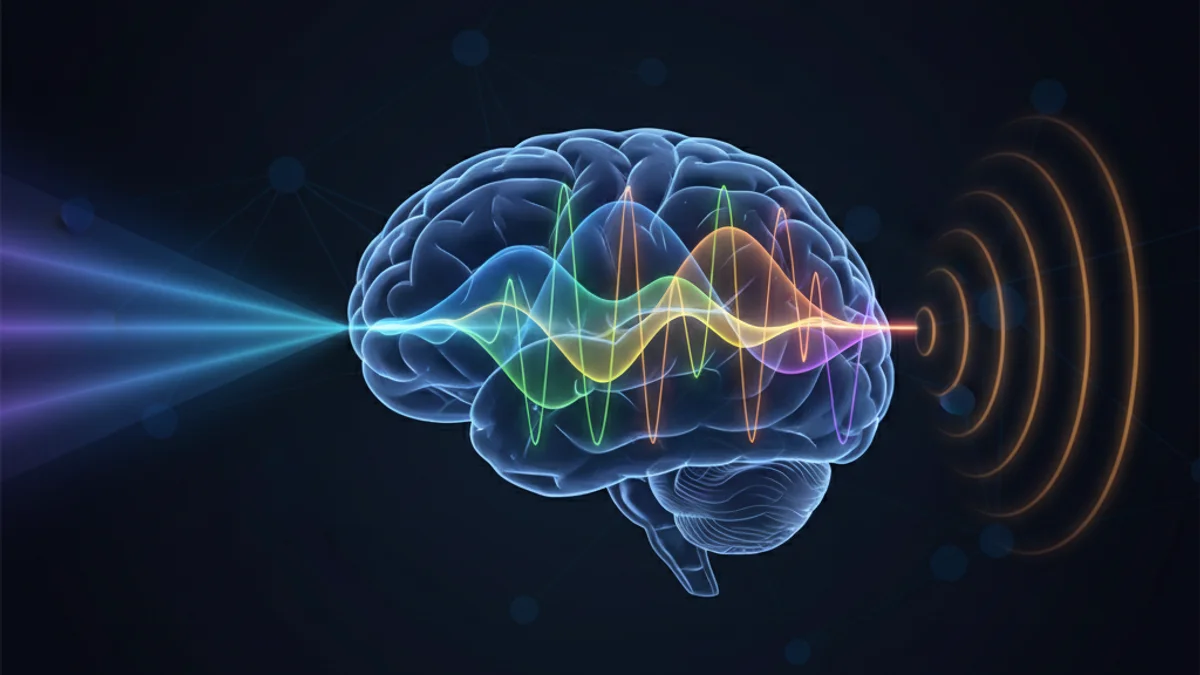
Brainwave entrainment, explained simply: the frequency-following response, the brainwave bands, how sound and light deliver it, and what the evidence really shows.
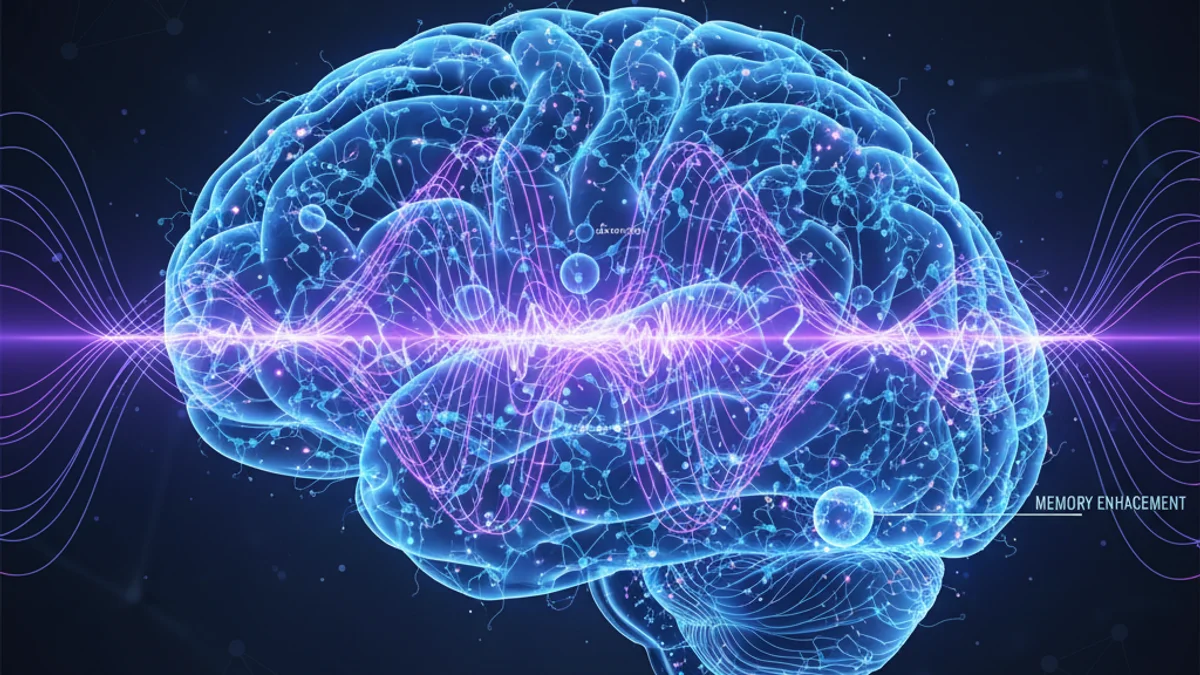
In a 2026 study, 74 stressed employees do one ~11-minute light-and-sound session: anxiety and mood disturbance drop, and flow and vitality rise. Here is what that does and doesn't prove.
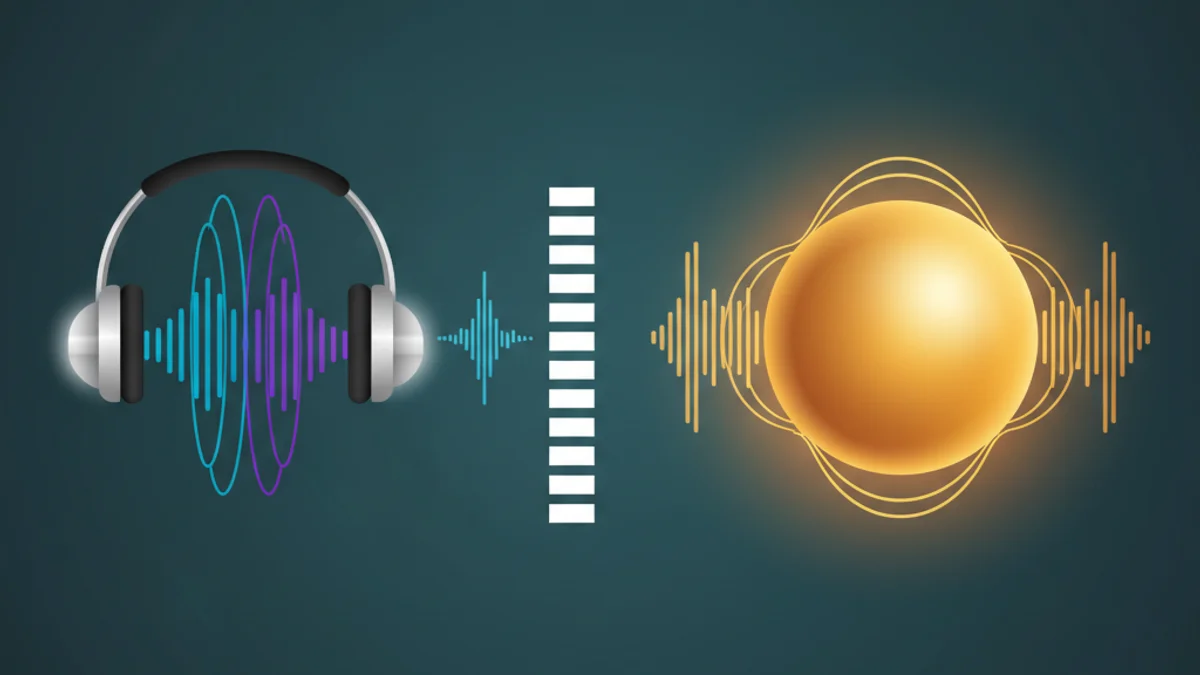
Binaural beats vs isochronic tones: how each one works, what the research shows about focus and sleep, the honest trade-offs, and why modern audio-visual entrainment uses both.
Lucid dreaming benefits are real for some people and oversold for others. Here is what the research says about mental health, sleep and the cautions most guides skip.
A reality check on 40 Hz gamma light-and-sound stimulation for Alzheimer's: what the long-term study and Phase 3 trials report, and what they don't.
2026 is full of talk about 'resetting your nervous system' and interoception. Here's an honest look at what holds up, what is oversold, and where light-and-sound fits.
Sixth Technology is a mental health technology company specialising in audio-visual entrainment. Here is the thinking behind the name, what we have learned from 800+ sessions in our Sofia office practice, and how that work shapes the free 6th Mind app.
"Light therapy app" means two very different things: bright-light boxes for seasonal low mood, and flicker or stroboscopic stimulation that nudges brainwaves. Here is how to tell them apart and what a smartphone can realistically deliver.
AI therapy chatbots are everywhere in 2026. Some help with mild symptoms. Others actively harm vulnerable users. Here is how to tell them apart and what no chatbot can do.
Brainwave entrainment vs binaural beats vs isochronic tones - what the research shows, including Huang & Charyton's 2008 review of the psychological effects.
A clinician-style guide to audio visual entrainment (AVE) safety: the hard and soft contraindications, common side effects, the screening questions a responsible practitioner asks, and how home use of an app differs from in-office Roxiva sessions.
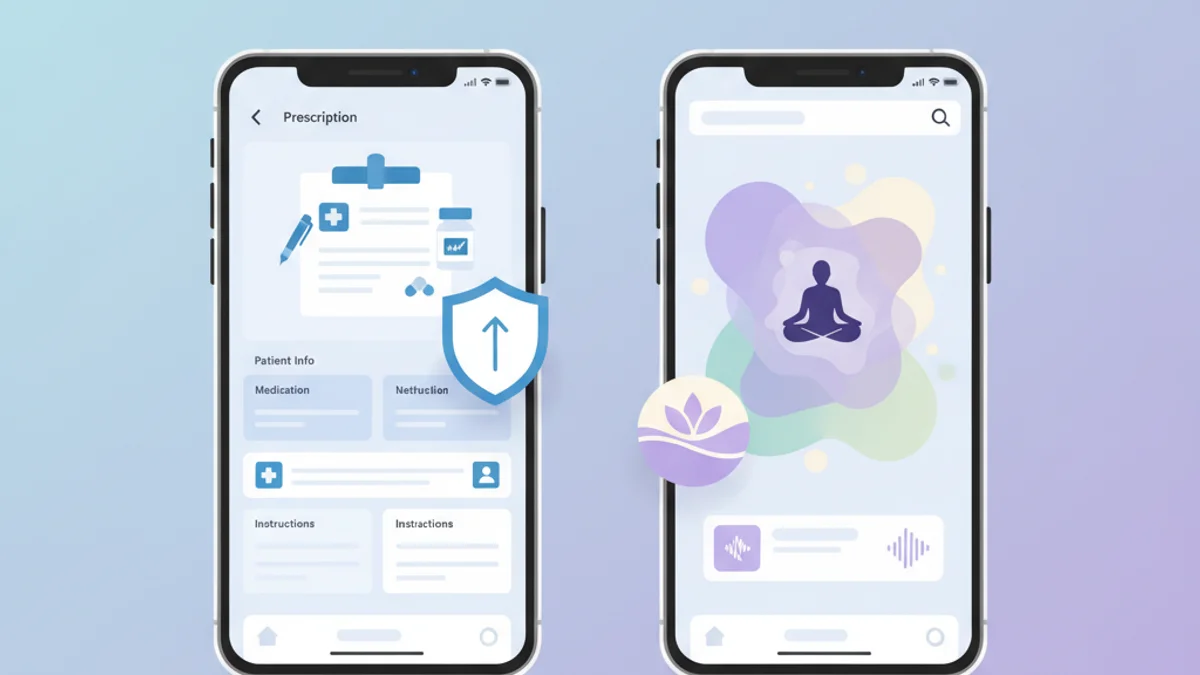
How is a prescription digital therapeutic different from a meditation app? The clinical evidence, FDA clearance, pricing and how to choose — explained simply.
Compass Pathways' COMP360 psilocybin showed significant depression reduction in its first Phase 3 trial. Here's what happened, why access will take years, and what drug-free options are available right now.
An honest comparison of free mental health apps in 2026 - what Headspace, Calm, Insight Timer, Lumenate, and 6th Mind actually cost, what you get for free, and how to choose.
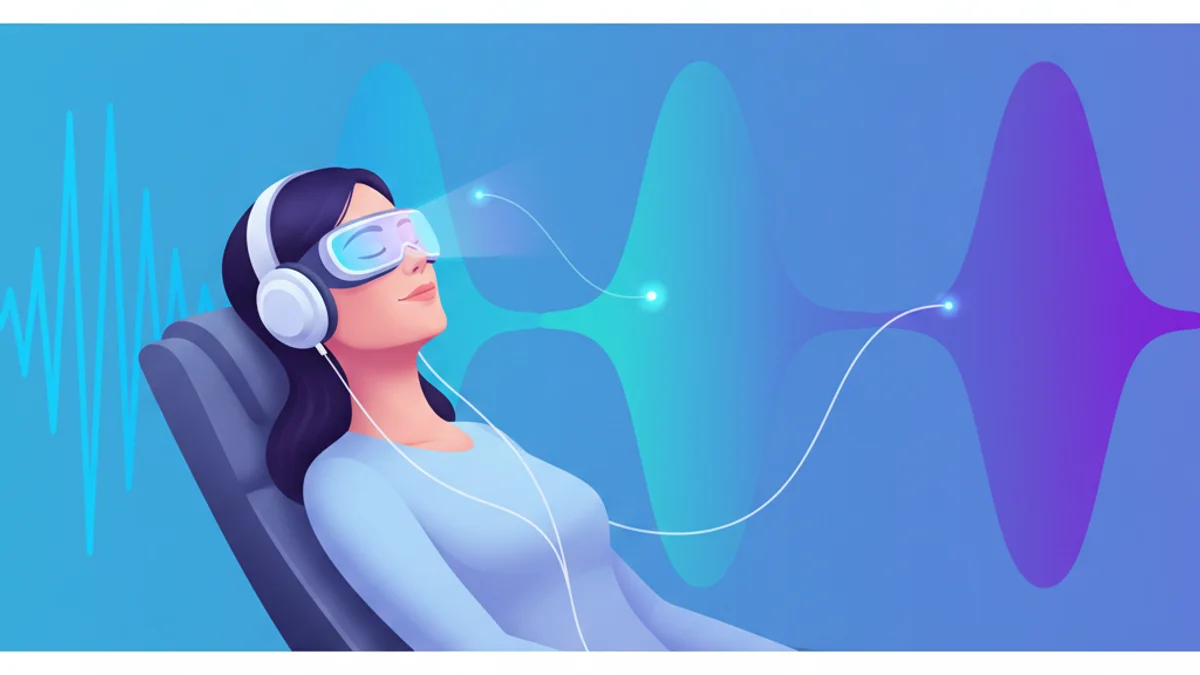
Audio visual entrainment (AVE) uses rhythmic light and sound to guide brainwave activity. Learn how this form of light and sound therapy works, what clinical evidence supports it, and what to expect from a session.
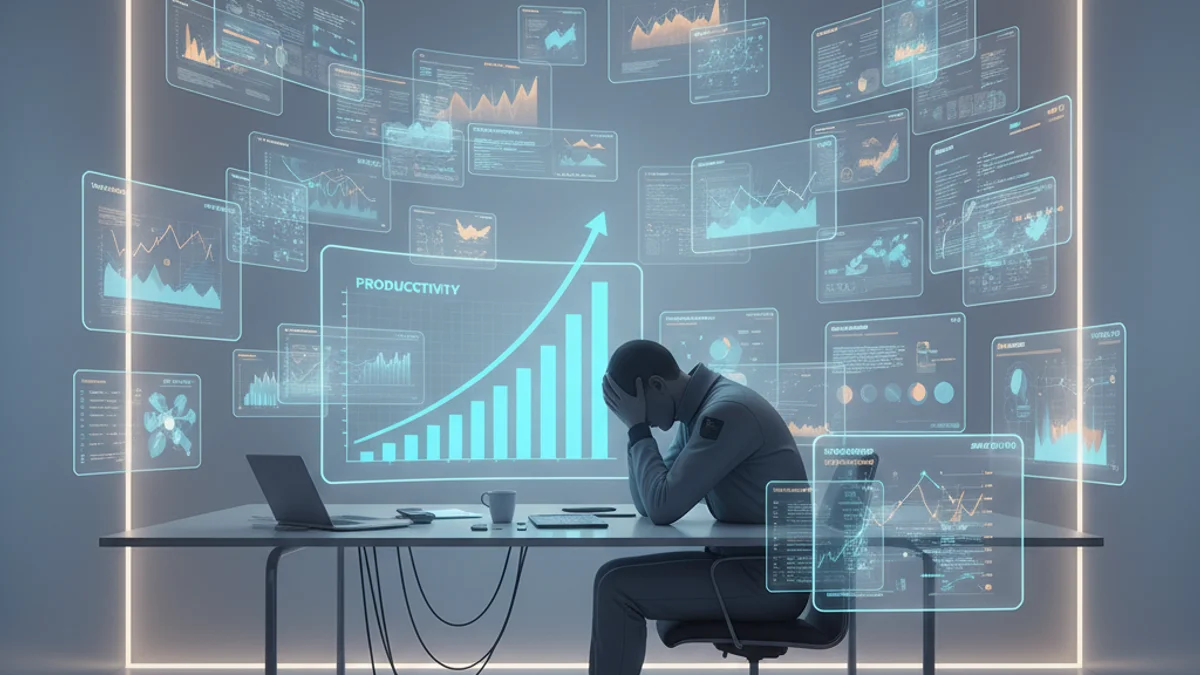
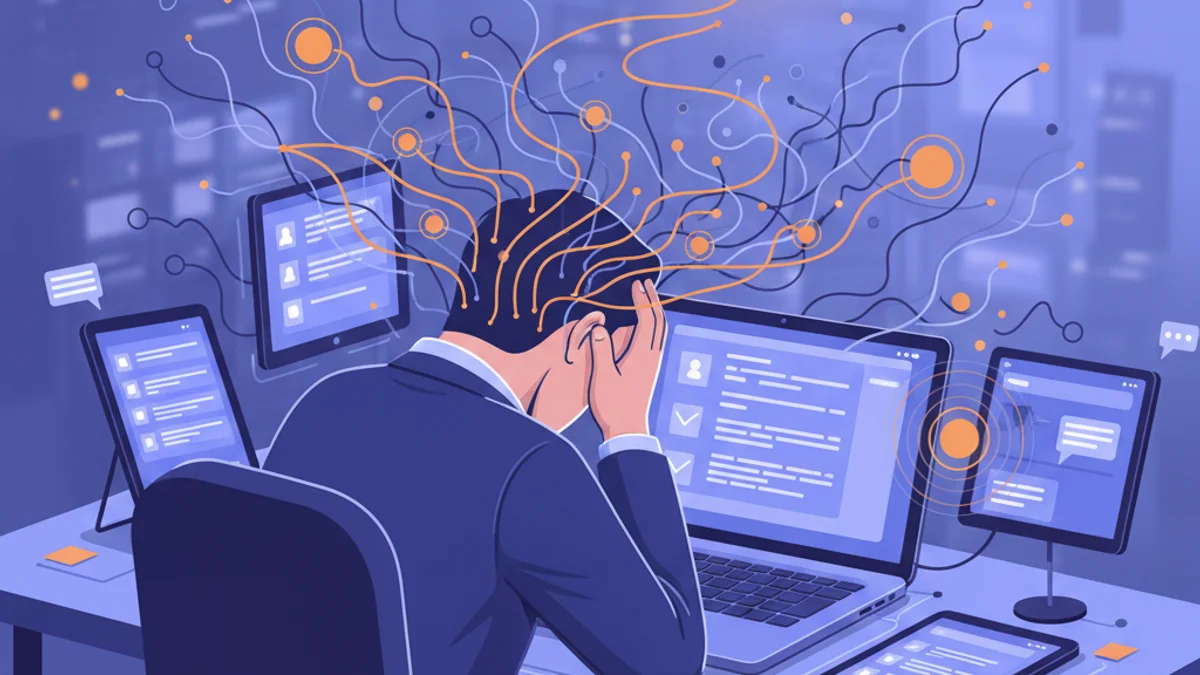
A UC Berkeley study tracks 200 employees for 8 months and finds AI tools boost output but eliminate cognitive recovery breaks, creating a new form of burnout. Here's what's happening and what helps.
CES 2026 introduced consumer EEG devices that track brain activity like a fitness band tracks steps. Here is what they actually measure, where they fall short, and why data without intervention is just noise.
AVE therapy explained — what 50+ years of audio-visual entrainment research shows for depression, insomnia and anxiety, plus side effects and what's unknown.
A voice-activated CBT-I program achieved 94.3% remission in insomnia patients. Learn what CBT-I actually involves, why it beats sleeping pills long-term, and how digital delivery removes the biggest barrier to access.
70.9% of public health workers report burnout symptoms. Research shows digital HRV biofeedback outperforms in-person training for recovery. Learn what actually works beyond self-care platitudes.
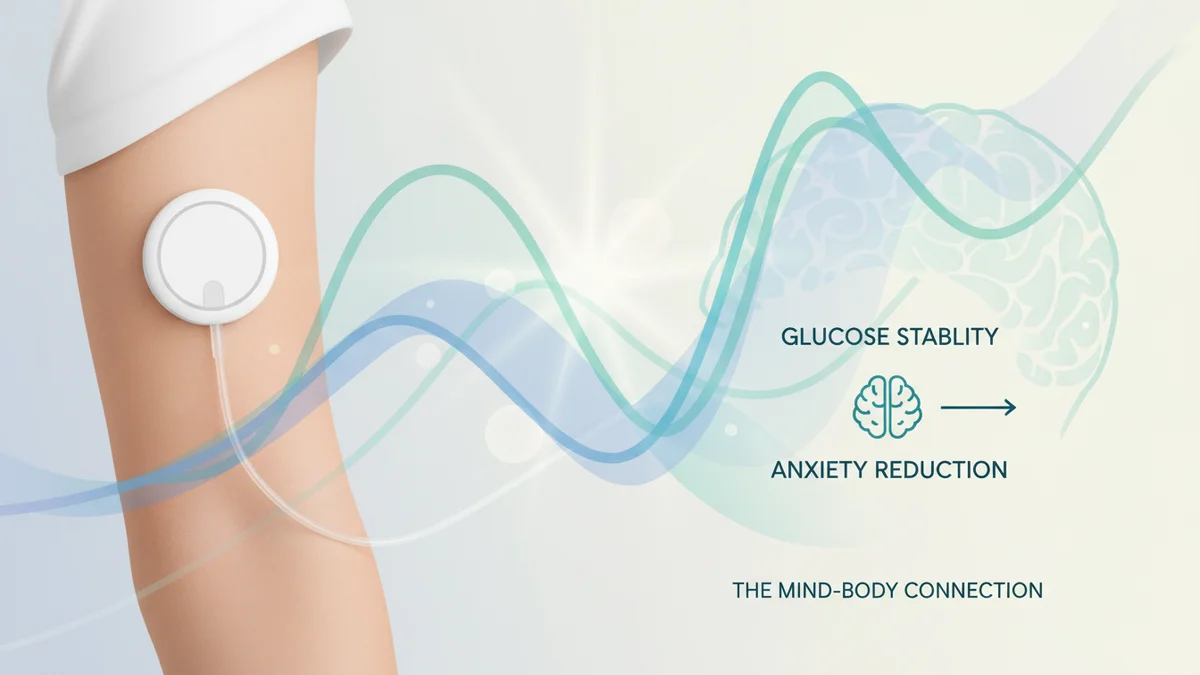
Continuous glucose monitoring reveals blood sugar instability correlates strongly with anxiety, irritability, and cognitive fog. Some patients with generalized anxiety disorder achieved complete symptom resolution through dietary changes alone.
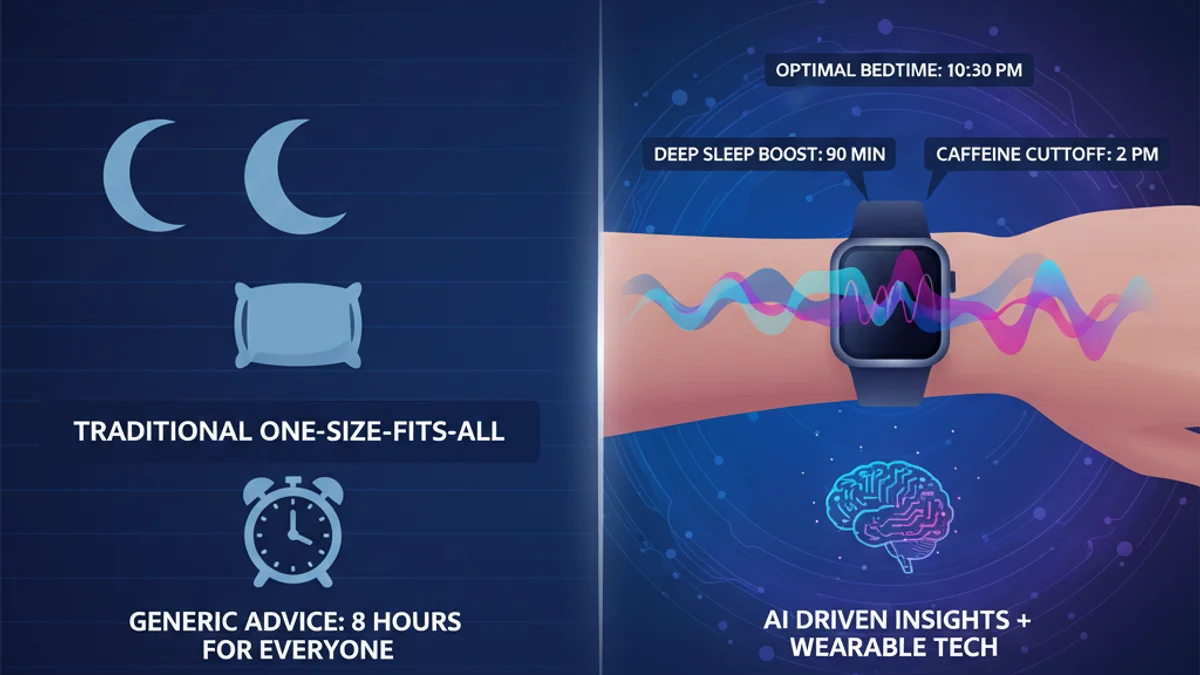
Generic sleep hygiene advice treats everyone the same. New research using AI analysis of wearable data shows that sleep optimization is highly individual - what tanks your sleep score might not affect someone else at all. Discover what actually matters and how personalization changes everything.
The largest brain chemistry study in humans proves that 35 hours of speed-based cognitive training can reverse a decade of acetylcholine decline—the neurotransmitter system that fails in Alzheimer's. No drug has achieved this, yet specific exercises upregulated the brain's own production.
40 Hz frequency benefits, explained: what gamma stimulation actually does to the brain, whether it improves memory and focus, and how to try it free.
A 2024 randomized controlled trial shows that starting with digital therapy and escalating to a therapist only when needed achieves better results than immediate therapist referral. Learn the decision framework and when digital therapy is enough.
6th Mind explained — how this clinically-informed app compares to traditional therapy and meditation apps. The 2024 evidence and what works for whom.
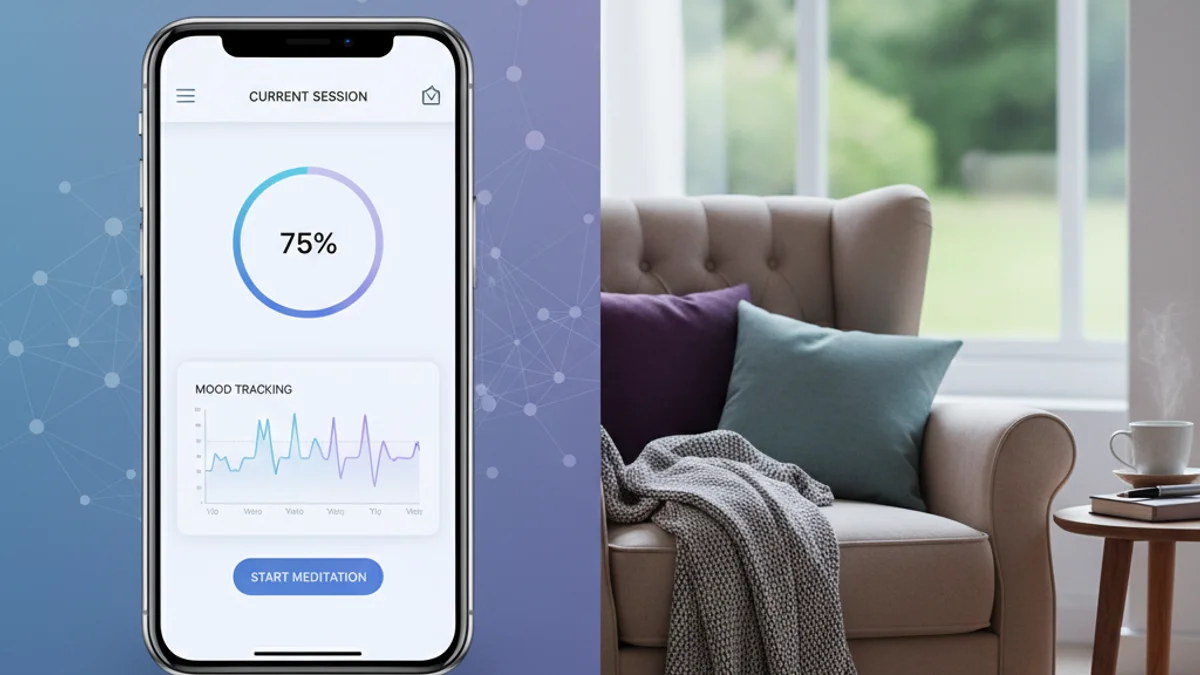
New research from 2024-2025 reveals how specific probiotic strains and omega-3 fatty acids directly impact anxiety through the gut-brain axis. Clinical studies show that Lacticaseibacillus casei Shirota, Lactobacillus gasseri, and 2g daily omega-3 can reduce anxiety by supporting GABA, serotonin, and BDNF production in the gut. Discover how nutritional interventions complement traditional therapy for comprehensive anxiety support.
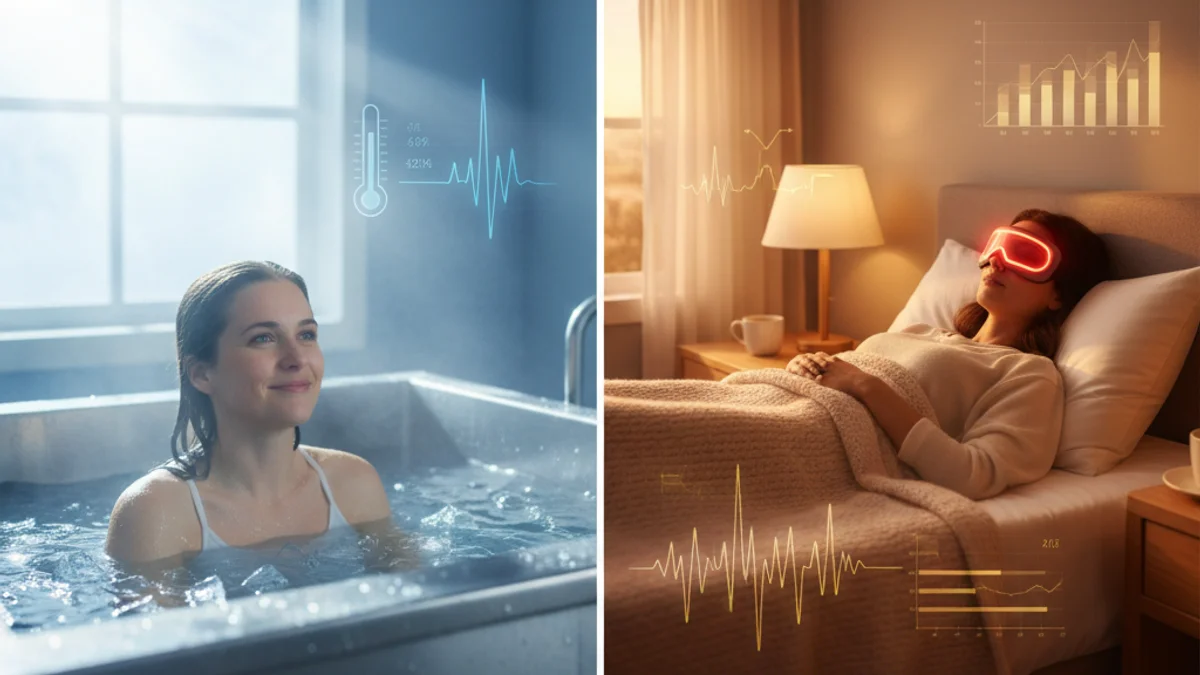
Ice baths boost dopamine 250% and reduce stress, but evening exposure may disrupt sleep through sympathetic activation and temperature rebound. Discover optimal timing and a gentler alternative for evening relaxation.
35% of the global population shows signs of technology addiction. Traditional digital detox fails because it doesn't address neurological changes. Learn how AVE therapy retrains your brain.
A groundbreaking 2025 study shows that virtual reality combined with audio-visual entrainment improves attention in 72% of ADHD children—and the technology behind it is becoming more accessible than ever.
Research from 2024-2025 shows 82% of employees at burnout risk, with Gen Z hitting peak exhaustion 17 years earlier. Learn how technology exhausts your brain and science-based recovery methods.