Light therapy app confusion: bright-light boxes vs flicker stimulation (and what a phone can actually do)
"Light therapy app" means two very different things: bright-light boxes for seasonal low mood, and flicker or stroboscopic stimulation that nudges brainwaves. Here is how to tell them apart and what a smartphone can realistically deliver.
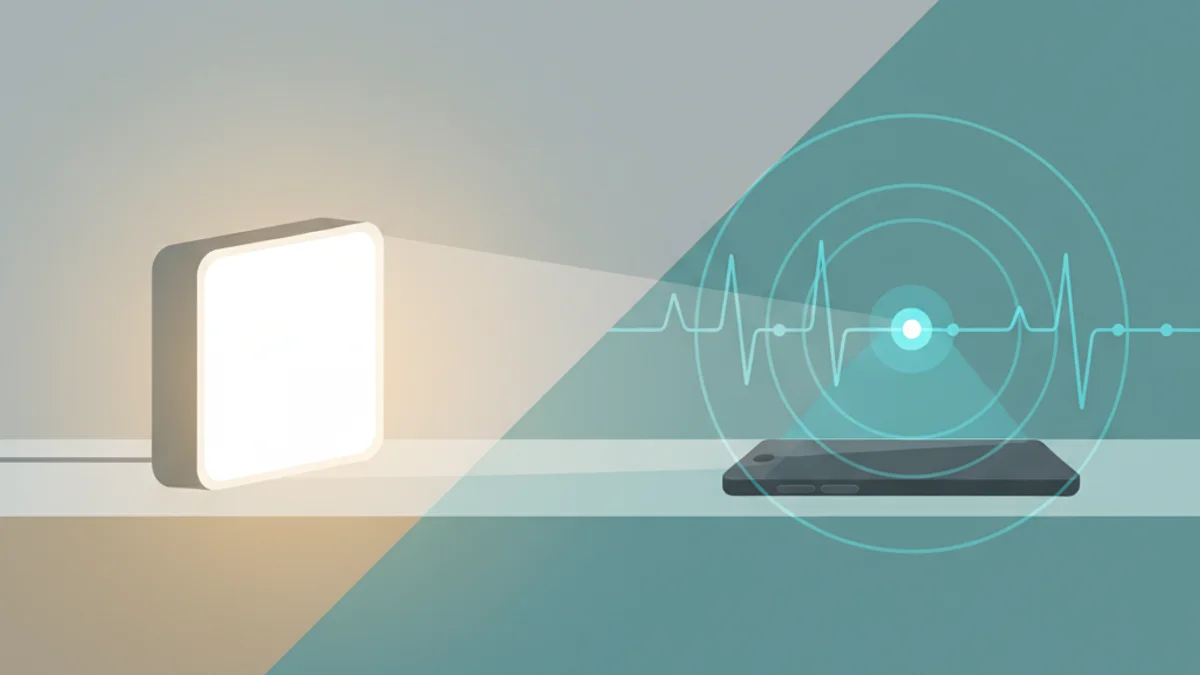
If a person searches for a “light therapy app” and finds that the information is unclear, a specific cause exists for the situation. The phrase refers to two technologies that are different from one another. In the first instance, the term describes bright light therapy, which is a lamp of high intensity that people use for low mood during winter and for sleep rhythms that are irregular. For the second instance, the term describes flicker or stroboscopic stimulation, which uses rhythmic pulses of light to move brainwave activity toward a specific speed. As those two methods share a name but have few other similarities, a person may experience poor results if they confuse the two. To avoid this, this guide distinguishes between them and describes the capabilities of a mobile phone.
Why does “light therapy app” return such mixed results?
It is clear that the search term itself contains the source of the confusion. On some pages the text describes a light box of 10,000 lux for seasonal affective disorder. By contrast other pages describe applications that cause a phone flashlight to flash in synchronization with sound. And while both use the name “light therapy”, they address different issues through different processes. If a person knows which technology they require, they can select a tool that is effective for their specific objective.
What is bright light therapy and can an app deliver it?
In bright light therapy, a person uses a light source that is constant and strong, which usually has a rating of 10,000 lux. When using it the individual sits near the light for 20 - 30 minutes during the morning with open eyes. Due to the high brightness and the specific timing, the light sends a signal to the circadian clock and assists with the regulation of the cycle between sleep and waking. There is evidence that is most significant for seasonal affective disorder and for problems related to the circadian rhythm.
But a phone is not able to provide this therapy because of physical constraints. On a typical smartphone screen, the light output is only a few hundred lux, which is much lower than the 10,000 lux that a clinical light box produces. There is no application that can change a phone into a lamp for seasonal affective disorder. If the primary problem is low mood during the winter then a dedicated light box is the correct tool rather than a phone.
What is flicker or stroboscopic stimulation and what does it target?
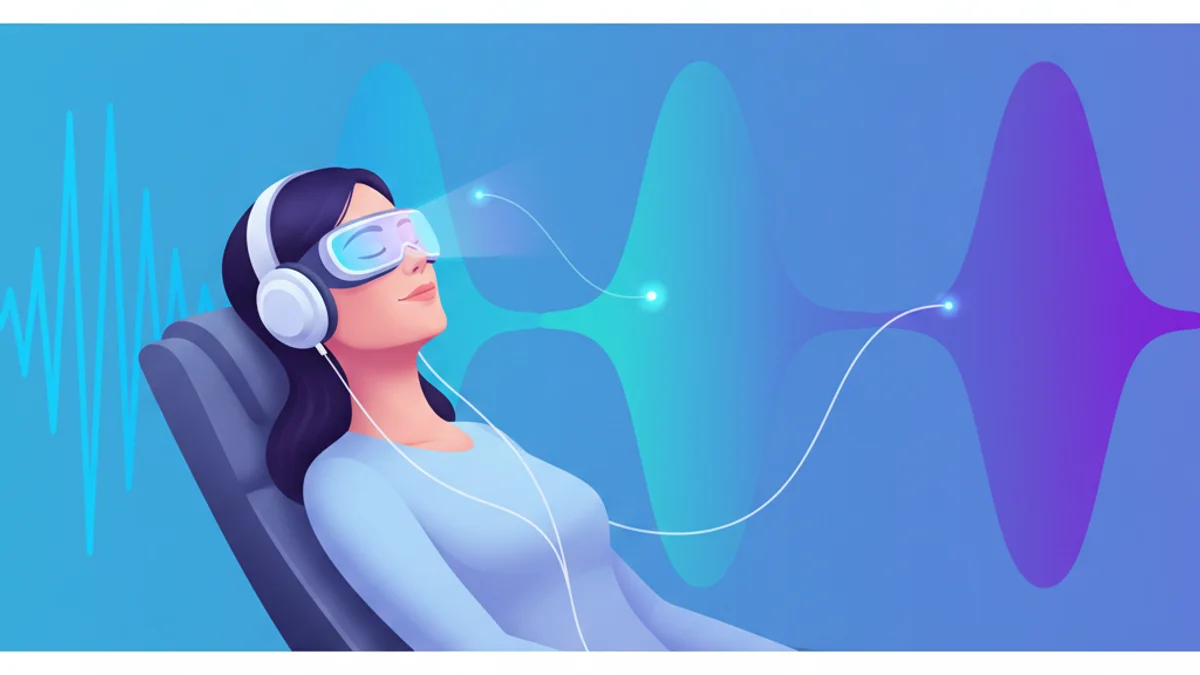
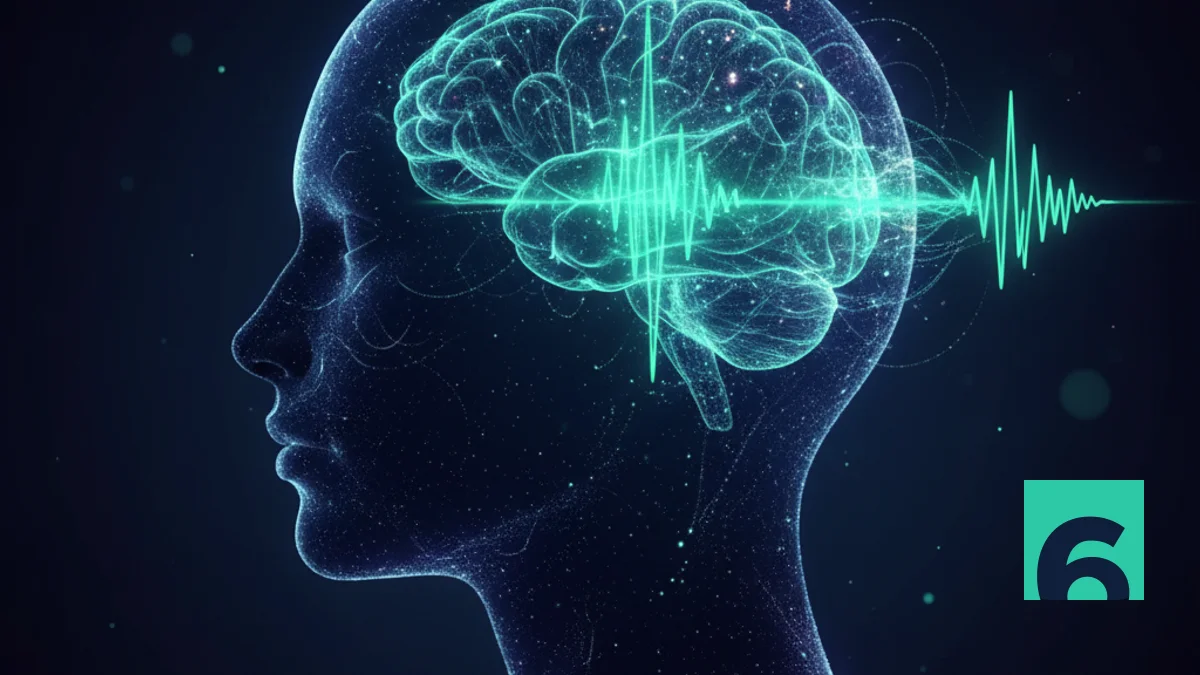
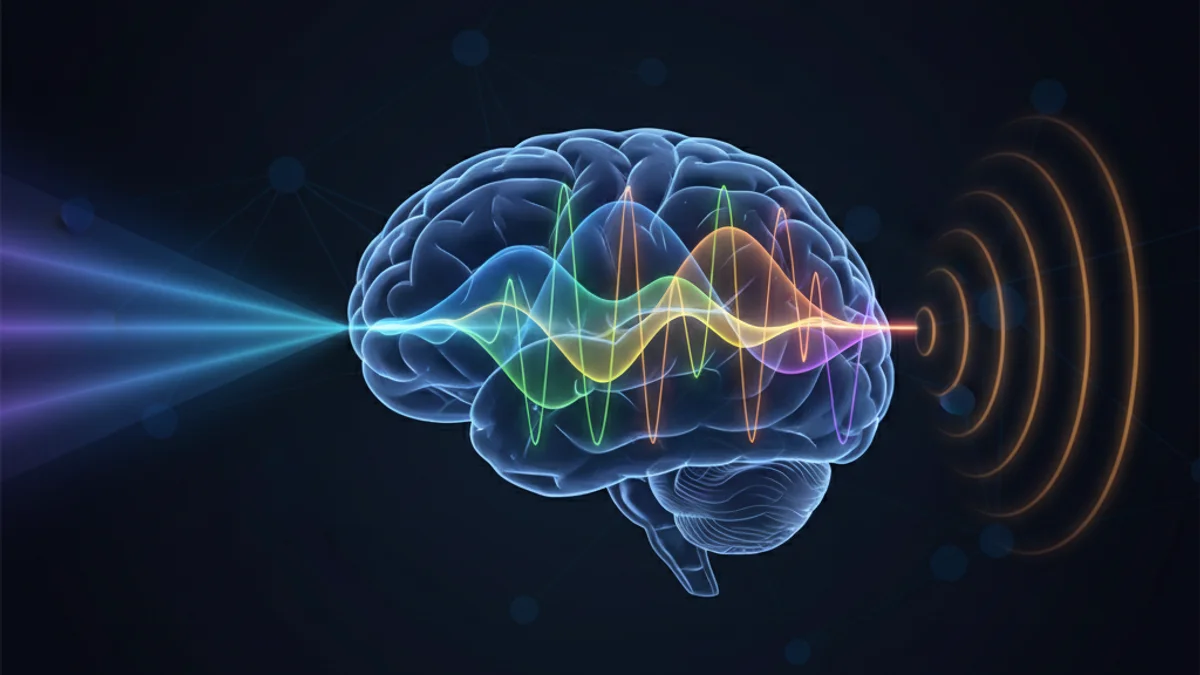
Flicker stimulation is also known as stroboscopic light therapy or a component of audio visual entrainment (AVE) and it functions on a different basis. It is not dependent on brightness but it is dependent on the tempo of the light. When pulses of light occur at an even frequency, the brain often mirrors that rhythm. Scientists describe this reaction as the frequency following response. At a pace of 10 Hz, the light promotes a state of relaxation - at slower speeds, it assists with the beginning of sleep - at faster speeds, researchers study its effects on focus and cognitive processes.
This is the area where 6th operates - in our clinical practice, we focus on depression, anxiety and insomnia. To address these, rhythmic light and sound therapy is a method that is supplemental and does not involve drugs. Interest in research is increasing, like the research on 40 Hz sensory stimulation from MIT - those studies investigate how light and sound that are rhythmic interact with brain activity.
What can a smartphone flashlight actually deliver?
A phone is useful for flicker stimulation because the rhythm is the important factor rather than the total brightness. By using the camera flash, the device can pulse at a specific frequency through closed eyelids. It is less intense and less accurate than a medical grade Roxiva lamp but the basic principle is the same.
| Bright-light box | Clinical flicker lamp (Roxiva) | Phone flashlight app | |
|---|---|---|---|
| Main goal | Reset circadian rhythm | Guide brainwave pace | Guide brainwave pace |
| Works through | Brightness (~10,000 lux) | Rhythmic pulses | Rhythmic pulses |
| Best for | Seasonal low mood, sleep timing | Anxiety, sleep, mood | Anxiety, sleep, focus at home |
| Can a phone do it? | No | Partly (lower intensity) | Yes, this is its niche |
Who should not use flicker stimulation?
When considering safety, the rules apply to the flicker category and not to bright-light boxes. Because light that is rhythmic can cause seizures in people who are susceptible, anyone with photosensitive epilepsy or a recent seizure must obtain clearance from a medical professional. Photosensitive epilepsy is present in approximately 1 in 4,000 individuals. In a responsible practice, a person is screened for this condition before a session. The same requirement exists for the use of applications at home.
How do you choose the right light tool for your goal?
By selecting the correct instrument, a person addresses a specific health concern effectively. If an individual experiences a lower mood during the winter months or has a sleep schedule shifted to the wrong times, a light box that produces 10,000 lux is the tool that scientific data supports. A mobile phone is not able to perform the same function as this device. For those who feel nervous, find it difficult to begin sleeping or desire a state that is more quiet and steady during daylight hours, stimulation that uses a flickering pattern is the appropriate method. On a mobile device, a free application is a practical option for beginning this process. With the 6th Mind application, a user receives light that pulses in a rhythmic pattern from the flash of the camera. And this light is combined with sounds that have specific tones. To use it a person chooses a session that lasts for 6 minutes or 11 minutes. There is no requirement for a recurring payment to use this service. It is a tool that works alongside other methods for nervousness and sleep but it is not a substitute for care from a professional medical provider.
As the most basic point to understand, “light therapy” is two distinct things. When a person determines if they require light that is bright or light that has a rhythm, the correct tool is easy to identify.
Sources