A flickering light eases pain in mice, and the reason also explains the sleepiness
A 2026 Cell Research study finds 40 Hz flickering light eases pain in mice via adenosine, the molecule behind sleep pressure and post-session sleepiness.
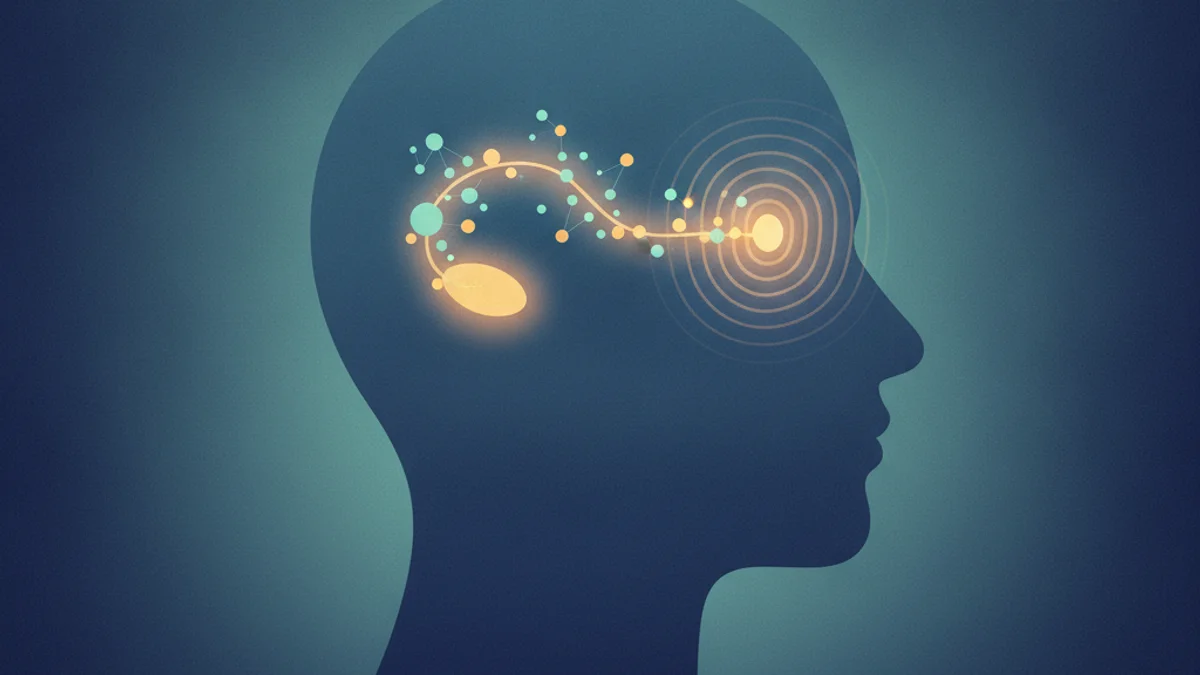
A 2026 study in Cell Research reports that light flashing 40 times per second reduces pain responses in mice with long-term inflammation or nerve damage. It traces a neural path from the retina to the central amygdala, and the molecule doing the work is adenosine: the substance that builds up while you are awake to create a biological need for rest, and the same one caffeine blocks. This is rodent research and needs to be read as such. But the mechanism it describes is a plausible account of why people who use light and sound devices so often report feeling drowsy after a session.
What the study finds
The researchers place mice under light that pulses at 40 Hz and assess them with standard tests for persistent pain. In both the inflammatory and the neuropathic model, the mice tolerate pressure and heat they would normally pull away from. That tolerance grows as the mice go through more sessions.
The second half of the paper matters more, because that is where the authors work out the biology behind the effect.
How the retina-to-amygdala circuit is identified
The team traces the electrical signal from the eye to the central amygdala, a brain region that handles the emotional, unpleasant side of a stimulus rather than the raw physical sensation. When they silence that path, the pain relief disappears. When they block the proteins that carry adenosine across cell membranes, it disappears as well. To confirm the link they inject adenosine straight into the central amygdala, and the same drop in pain reaction follows with no light at all - which is what ties the benefit to this specific chemical step.
What adenosine actually does
Adenosine is a byproduct of the brain spending energy. Across the day it accumulates and binds to A1 and A2A receptors, damping down the cells that keep you alert. The longer an animal stays awake, the heavier it feels. Sleep scientists call this sleep pressure, because sleep is what clears the molecule out again. Caffeine does not clear it: caffeine only blocks adenosine from reaching the receptors, without removing the molecule itself.
So a finding that 40 Hz light raises adenosine is also, indirectly, a finding about sleepiness.
Why this connects to the sleep findings in human trials
Sleep is the outcome that comes up most often when 40 Hz light is tested in trials with human participants. A 2026 study in Dialogues in Clinical Neuroscience on home use of 40 Hz light reports that sleep quality is the most reliable improvement at three and six months. The 2026 review in Frontiers in Medicine makes similar observations about the structure of sleep cycles. None of that proves adenosine is the cause in people. It is a consistent pattern, though: a method that raises a sleep-related molecule in rodents also improves rest in human participants before anything else shows up. We cover the wider evidence base in does 40 Hz gamma stimulation actually work.
The gap between a mouse and a person
Several gaps sit between the rodent result and any conclusion about human health.
- The light intensity used on the mice is far higher than the brightness of a consumer device.
- Rodent eyes and human eyes differ, because mice are nocturnal and have a different retinal make-up.
- The study measures physical withdrawal reflexes, which are not the same as a person describing how they feel.
- No human trial exists for this specific pain mechanism, with a placebo control and patient-reported outcomes.
To be clear: 6th does not treat physical pain. The office in Sofia works with depression, anxiety and insomnia. Nothing here is a reason to delay proper medical care for a chronic pain condition.
What it does explain right now
What the paper does offer is a reason for the heaviness people often mention after using a light device. The safety data for audio-visual entrainment lists this effect as common and short-lived. The usual explanation is “you relaxed”. The adenosine pathway is a more specific description, and it has practical consequences.
If a session leaves you feeling physically or mentally heavy, put it in the evening. Give it a few minutes before you drive. If you want audio-visual entrainment for cognitive sharpness and attention instead, run the session earlier in the day. The 6-minute and 11-minute sessions in the free 6th Mind app use your phone’s camera flash while your eyes are closed, so the same timing logic applies at home.
Frequently asked questions
Does 40 Hz light relieve pain in humans? Nobody knows yet. The data is in mice, and no human trial of 40 Hz light for chronic pain has been published.
Why do I feel sleepy after a light and sound session? Adenosine is the likely reason, based on animal research. It is the molecule that accumulates over the day and raises your physical need for sleep.
Is the drowsiness a problem? For most people it is mild and passes within an hour. If the tiredness is strong or does not lift, shorten your sessions or move them later in the day.
Can I use 40 Hz sessions to help me sleep? People do, and sleep is where human 40 Hz trials show the most consistent results. It is a support tool rather than a treatment for insomnia, and it works better when you keep a steady sleep schedule.
Sources
- “40 Hz light flickering alleviates chronic pain via adenosine signaling in the retina-amygdala pathway” - Chen et al., Cell Research, 2026
- “Light-based 40 Hz sensory therapy for brain disorders: physiological basis, therapeutic mechanisms, and future prospects” - Zhao et al., Frontiers in Medicine, 2026
- “Therapeutic effects of 40 Hz light stimulation on clinical and pathological features of Alzheimer’s disease” - Chou et al., Dialogues in Clinical Neuroscience, 2026