Binaural beats vs isochronic tones: which does more, and why you don't have to pick
Binaural beats vs isochronic tones: how each one works, what the research shows about focus and sleep, the honest trade-offs, and why modern audio-visual entrainment uses both.
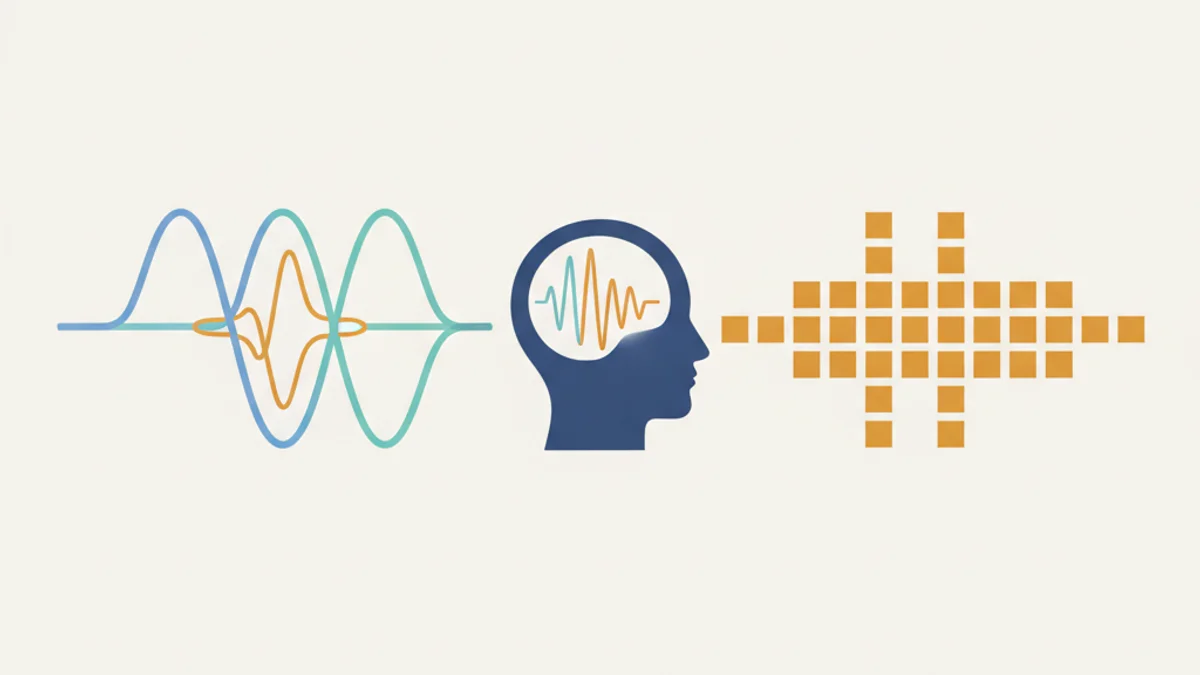
As sound based methods for brainwave entrainment, binaural beats and isochronic tones are the most frequent choices but they operate through distinct mechanisms. Isochronic tones create a rhythmic signal that is distinct and strong plus they are effective through both speakers and headphones. By contrast binaural beats generate a signal that is less intense and require headphones for any effect to occur. It is not clear that either method is “better” for every individual but also a helpful conclusion is that a user does not need to select only one. In the following sections, descriptions explain how each method functions, what the current evidence indicates and what the actual limitations are.
What is the difference between binaural beats and isochronic tones?
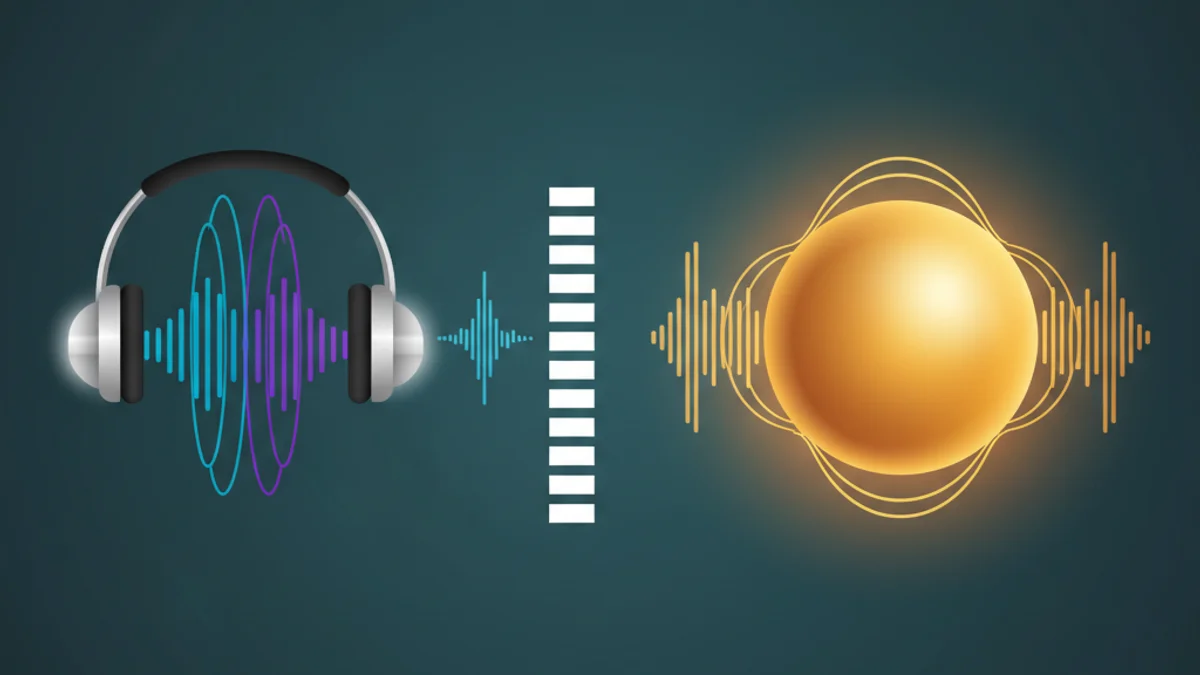
To create a binaural beat, a system plays two constant tones at frequencies that differ slightly, with one tone in each ear. If the left ear receives 200 Hz as well as the right ear receives 210 Hz, the brain detects a third “beat” at the 10 Hz difference - this detected beat is the intended rhythm. Because the brain calculates the effect from two different inputs, binaural beats are only functional when the user wears headphones and has hearing that is equal in both ears.
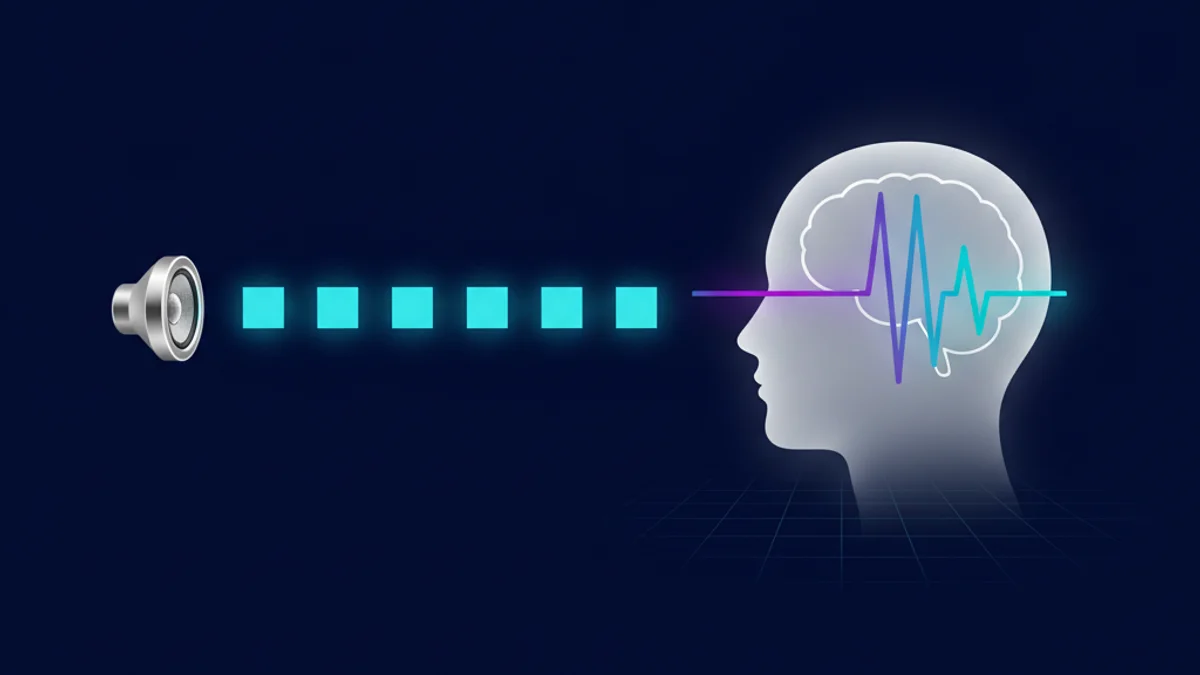
An isochronic tone is less complex because it is a single tone that turns on and off at a fixed speed, which creates a pulse with a rhythm. There is no sensory illusion in this process - the rhythm travels to the brain in a direct way and does not require the separation of sound into two channels. On account of this, isochronic tones are effective when played through a speaker. And for this reason, many individuals describe those tones as more prominent or more intense than the steady sound of a binaural beat.
What actually happens in the brain?
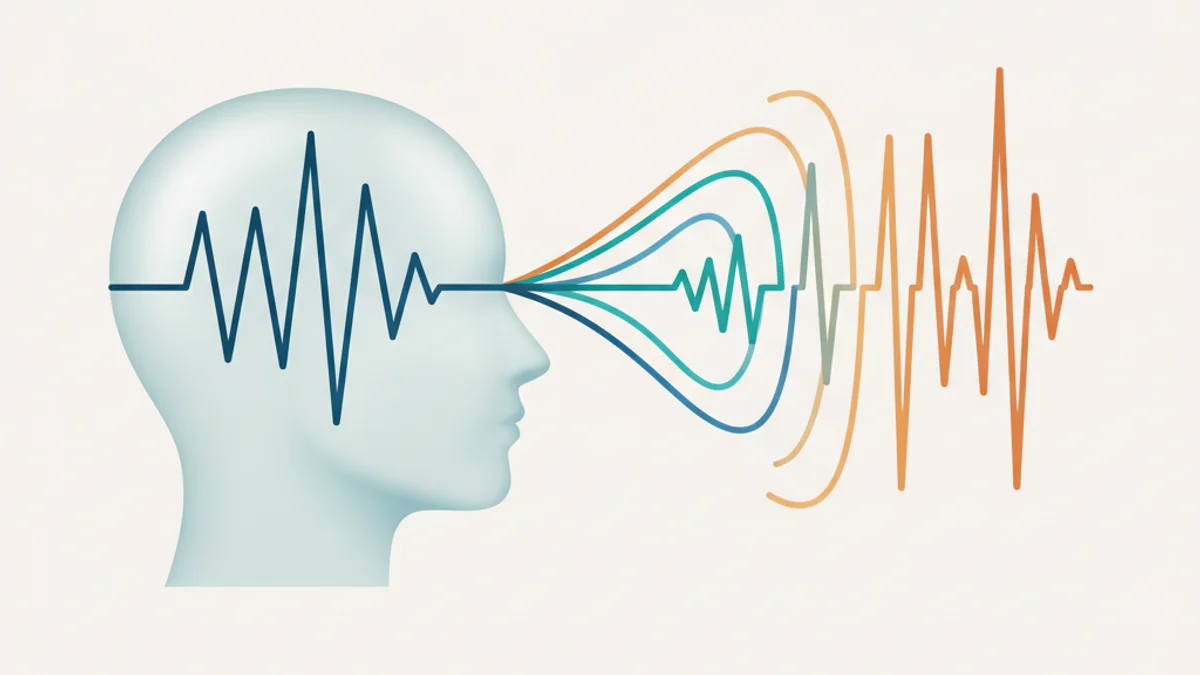
Both methods are dependent on the frequency following response, which occurs when a sound with a repeating pattern enters the hearing system. When this happens, clusters of neurons often fire at the same rate as the sound and this effect is visible on an EEG. If the rhythm is more distinct and noticeable, the response is typically stronger. Because an isochronic pulse is a sudden signal that starts and stops rather than a light pattern of interference, it generally produces a brain response that is more defined than a binaural beat at the same frequency.
But it is important to note that “the EEG changed” is not identical to “you feel better”. Entrainment is a physical result that researchers can measure but if it makes focus, mood or sleep better for a specific person is a different topic that scientists are still investigating.
What does the evidence show?
In a truthful summary, the effect is real but small and is highly dependent on specific factors. A 2025 study in Scientific Reports examines binaural beats in relation to the ability to pay attention for long periods. It shows that a specific setup - beats in the gamma range, a carrier tone with a low pitch and a light background of white noise - is helpful for attention. (We look at gamma-range stimulation and memory in more depth elsewhere.) And yet other setups do very little. The amount of entrainment on an EEG is not a direct indicator of behavior, as the specific combination of elements is what is important.
For the topics of sleep and mood, there are human data points that are small but real. As a 2024 trial in Geriatrics & Gerontology International shows, a program of music with binaural beats lasting two weeks makes sleep quality and scores for depression better for older adults who have difficulty sleeping. It also changes markers for heart rate variability when compared to music that serves as a control.
Isochronic tones are more difficult to evaluate because there are very few studies that compare them directly to binaural beats. Their possible benefit is a signal that is more direct and strong but also does not need headphones. While this is a reasonable idea and users often report it, there is less research with controlled conditions to support it.
Which one should you use and when?
For most goals in daily life, the differences in how the methods are used matter more than results from a lab study.
| Binaural beats | Isochronic tones | |
|---|---|---|
| How it is made | Two tones, one in each ear | One tone that pulses on as well as off |
| Headphones | Those are required | Those are helpful but not required |
| Signal strength | This is less intense | This is more defined and strong |
| Comfort | This is steady and easy to ignore | This is more prominent |
| Best fit | Moments of quiet focus or resting | Times for study or being alert |
If a person wants a sound that is not distracting for the purpose of reading or sleeping while wearing headphones, binaural beats are a good choice. If a person wants a rhythm that is more insistent for a period of study or if they prefer to use a speaker, isochronic tones are a better fit. How comfortable or regular the use is will matter more than charts of frequencies, because the method is only helpful if a person uses it consistently.
The honest limits
In this field most researchers use small groups of participants and varied procedures. It is common for individuals to react in different ways and many commercial products make promises that exceed the available evidence. Entrainment is a tool for support rather than a medical treatment or a cure. It is most effective when users maintain healthy sleep patterns and seek medical advice when necessary.
Why you don’t have to choose
The description in “binaural vs isochronic” is a choice that is not entirely accurate. By using audio visual entrainment (AVE), people receive audio methods and rhythmic light simultaneously. When a visual channel is present, the physical response is more regular than when sound is used by itself. On the 6th Mind app, this method is available through audio and the camera flash of a phone, which acts as a stroboscopic light - those sessions are short, lasting six or eleven minutes. For more information on the technical details, you can visit the pages for binaural beats and isochronic tones or read the three-way comparison with AVE.
Because 6th grew out of clinical work at a practice office in Sofia that helps people with depression, anxiety and insomnia, our statements stay within what is measurable. To see how you react, you can use it as a method that does not involve drugs and carries little risk - but it is not a substitute for help from a professional.
Frequently asked questions
Are binaural beats or isochronic tones better? Neither method is superior in all cases. Due to their nature, isochronic tones provide a signal that is intense as well as clear and they do not require headphones. In contrast binaural beats are less intense and require headphones. If you want to choose, consider your specific objective or which method you are likely to use on a regular basis.
Do isochronic tones have real benefits? Through the frequency following response, they are able to help with relaxation and concentration. There are few controlled trials in a clinical setting. It is best to view them as a tool that assists you rather than a source of certain outcomes.
Do binaural beats really need headphones? Yes - because the brain creates the effect from two tones that differ slightly in each ear, it is not possible to produce it through one speaker.
Can you combine both? Yes - in audio visual entrainment, both audio techniques are combined with light - this approach is more dependable in its effects than using sound alone.
Sources
- “A parametric study of binaural beats on sustained attention and EEG entrainment” - Melnichuk et al., Scientific Reports, 2025
- “Examining the effects of binaural beat music on sleep quality, heart rate variability and depression in older people with poor sleep quality” - Geriatrics & Gerontology International, 2024
- “Integrating music therapy, brainwave entrainment methods, and AI” - Frontiers in Digital Health, 2025