Digital detox isn't enough: how technology addiction changes your brain (and what actually works)
35% of the global population shows signs of technology addiction. Traditional digital detox fails because it doesn't address neurological changes. Learn how AVE therapy retrains your brain.
With 35% of the global population showing signs of technology addiction, traditional “digital detox” advice (just put your phone away) fails because it doesn’t address the underlying neurological changes. This post explains how constant connectivity actually rewires reward pathways and attention networks, then introduces AVE therapy as a neurological intervention that helps restore healthy brain patterns—going beyond behavioral tips to actual brain retraining.
How technology addiction rewires your brain
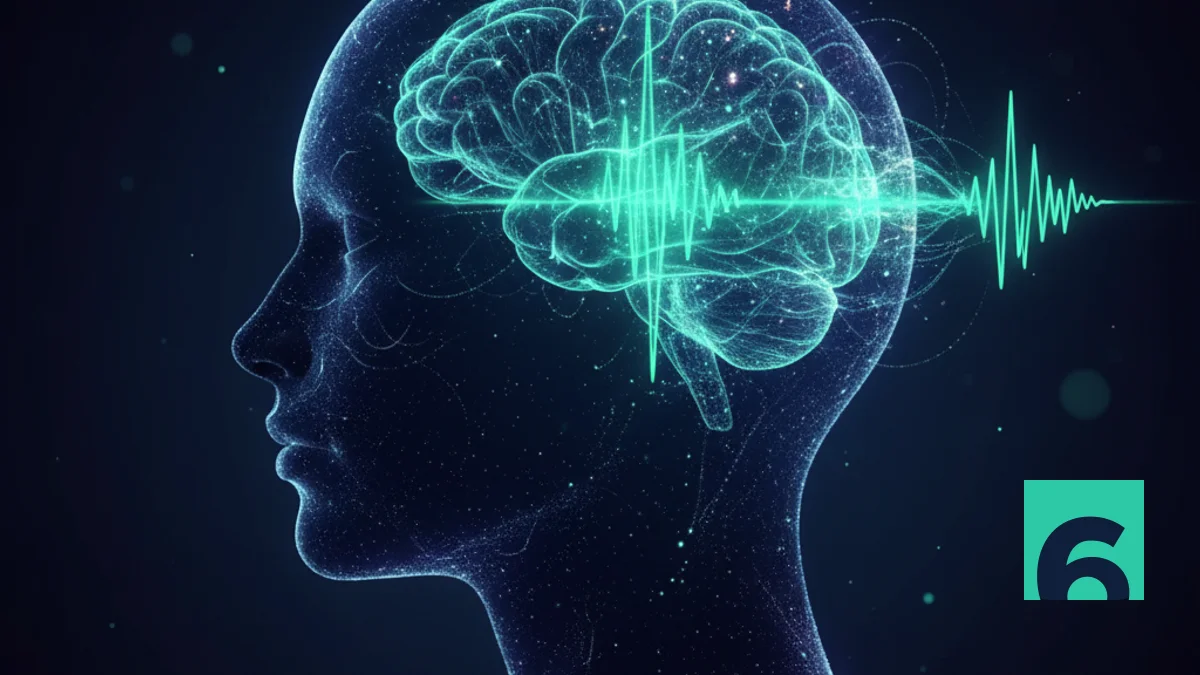
Technology addiction isn’t just about willpower. Research shows that constant connectivity actually changes brain chemistry. When you check your phone compulsively, your brain’s reward pathways become dysregulated. Dopamine—the neurotransmitter responsible for motivation and pleasure—starts firing at the anticipation of notifications rather than actual rewards.
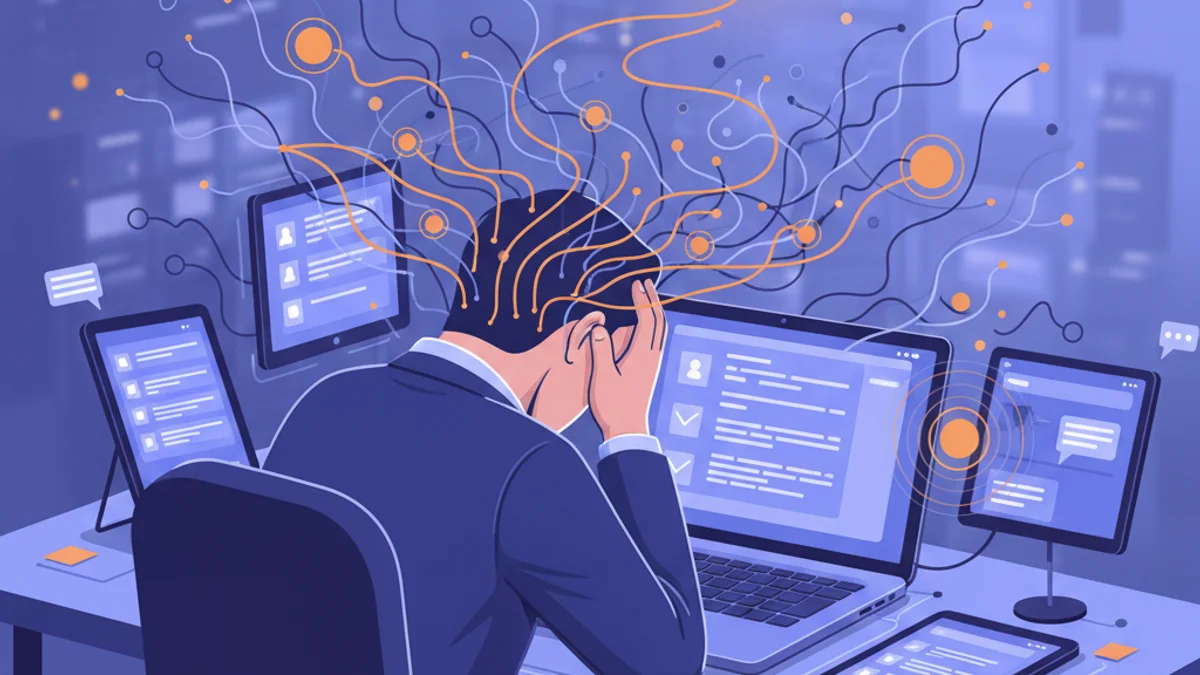
This creates a problematic cycle: your prefrontal cortex (responsible for decision-making and impulse control) weakens while your amygdala (the emotional, reactive part of your brain) becomes overactive. The result? You feel anxious when away from your phone, struggle to focus on single tasks, and find it increasingly difficult to regulate your screen time through willpower alone.
Why “digital detox” approaches often fail
Here’s the uncomfortable truth: telling someone with technology addiction to “just put the phone away” is like telling someone with depression to “just cheer up.” It doesn’t address the underlying neurological changes that make disconnection so difficult.
Most digital wellness advice focuses on behavioral changes—app timers, grayscale mode, designated phone-free hours. While these can provide temporary relief, they don’t retrain your brain’s reward pathways or restore healthy attention patterns. Without neurological support, behavioral changes rarely stick long-term.
AVE therapy as a neurological reset
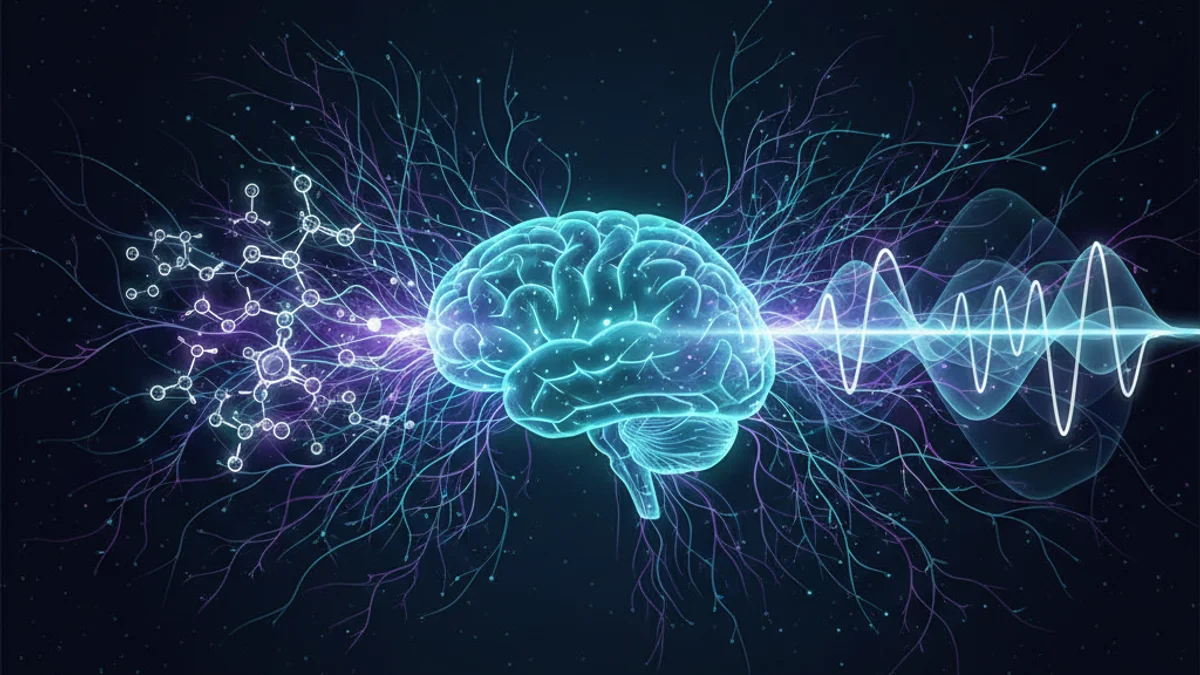
This is where Audio-Visual Entrainment (AVE) therapy offers a different approach. Instead of fighting your brain’s new wiring with willpower, AVE therapy works directly with your brainwaves to restore balance.
AVE therapy uses precisely timed light and sound pulses to guide your brain into specific frequency patterns. For technology addiction, this means:
- Calming overactive stress responses by promoting alpha wave activity (8-12 Hz)
- Strengthening attention networks through targeted beta wave patterns (12-30 Hz)
- Improving sleep quality with delta wave stimulation (0.5-4 Hz)
Unlike meditation or mindfulness apps, AVE therapy doesn’t require sustained focus or discipline. You simply wear specialized glasses and headphones while your brain naturally synchronizes with the therapeutic frequencies.
Beyond detox: retraining attention
The goal isn’t to eliminate technology—it’s to restore your ability to engage with it intentionally rather than compulsively. AVE therapy helps by:
- Reducing dopamine dysregulation: Regular sessions help normalize neurotransmitter balance
- Strengthening prefrontal cortex activity: Targeted frequencies support executive function recovery
- Lowering baseline stress: When your nervous system isn’t constantly activated, you’re less drawn to digital escapes
Clinical data shows that AVE therapy can reduce anxiety symptoms by 36-52%, which directly impacts technology addiction patterns since many people turn to screens as stress relief.
Combining approaches for sustainable results
The most effective strategy combines behavioral boundaries with neurological support:
Behavioral level:
- Set specific times for email and social media
- Use app limits as gentle reminders
- Create phone-free zones (bedroom, dining table)
Neurological level:
- Regular AVE therapy sessions (3-4 times per week)
- Consistent sleep schedule to support brain recovery
- Activities that naturally engage different brainwave states (exercise, creative work)
When you address both dimensions, behavioral changes become easier to maintain because your brain is no longer fighting against its altered wiring.
The 6th Mind app protocol
The 6th Mind app makes AVE therapy accessible for daily use. Based on clinical protocols primarily for depression, anxiety, and insomnia, our sessions can also support technology addiction recovery:
- Morning sessions: Beta wave patterns (12-20 Hz) to strengthen focused attention
- Midday resets: Alpha-theta combinations to reduce stress spikes
- Evening protocols: Delta wave induction to improve sleep quality
Each session is AI-optimized based on clinical data from real therapy sessions. The app guides you through proper setup, tracks your progress, and adjusts protocols based on your reported outcomes.
Best of all, the app is free—no ads, no hidden costs, no subscription needed. Download it now and start retraining your brain’s relationship with technology.
Sources
- “This startup built a Fitbit for your brain to combat chronic stress” - TechCrunch, December 2025
- “Audio-Visual Entrainment Neuromodulation: A Review” - PMC, September 2025