The Cold Exposure Paradox: Why Ice Baths Help Stress But May Harm Sleep (What to Do Instead)
Ice baths boost dopamine 250% and reduce stress, but evening exposure may disrupt sleep through sympathetic activation and temperature rebound. Discover optimal timing and a gentler alternative for evening relaxation.
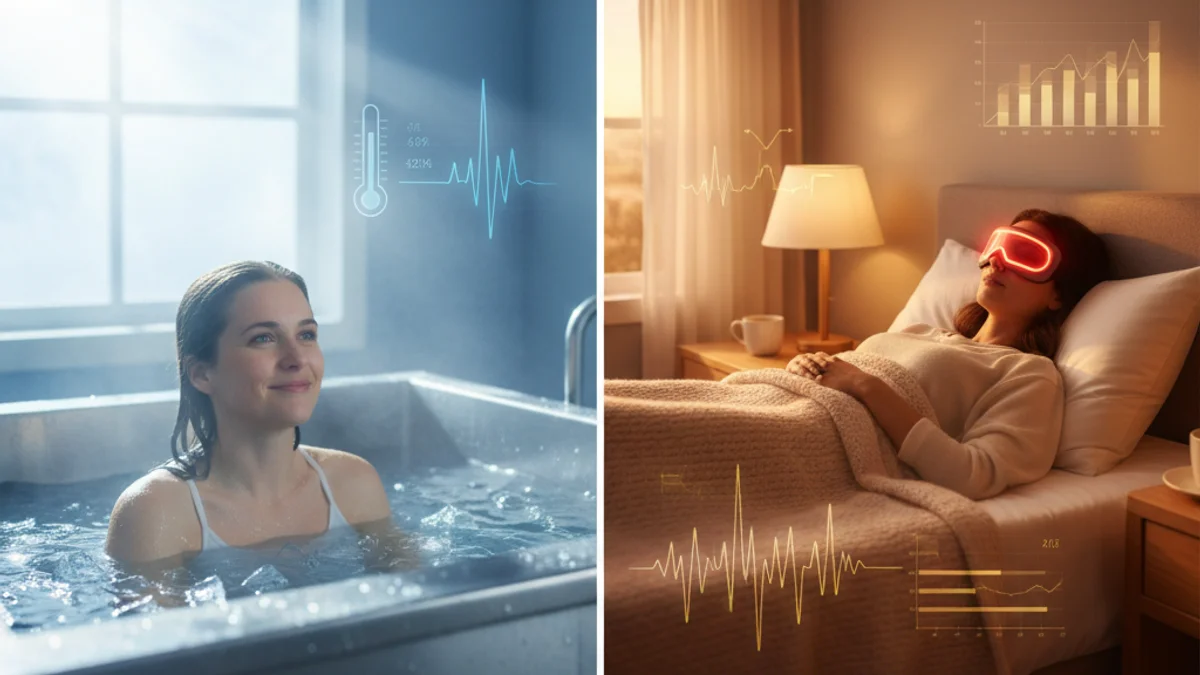
Ice baths can boost dopamine by 250% and significantly reduce stress, but the timing matters more than you think. Evening cold exposure can disrupt sleep by triggering sympathetic nervous system activation, cortisol release, and thermoregulatory rebound that raises core body temperature for hours afterward. For stress relief without sleep disruption, schedule cold exposure in the morning or early afternoon, or consider Audio-Visual Entrainment (AVE) therapy—a gentler alternative that promotes relaxation without the sleep-disrupting effects.
Why Do Ice Baths Increase Dopamine but Disrupt Sleep?
Cold exposure triggers a powerful stress response that floods your system with dopamine and norepinephrine—the same neurotransmitters that make you feel alert and motivated. A study published in the European Journal of Applied Physiology found that cold water immersion increases dopamine by up to 250% and norepinephrine by 530%.
This neurochemical surge is excellent for morning productivity and mental clarity, but it creates a problem in the evening. Your body interprets cold exposure as a stressor, raising core body temperature as it works to rewarm itself and triggering cortisol release. Both effects are the opposite of what your body needs for sleep: a gradual temperature decrease and low cortisol levels.
What Is the Optimal Time for Cold Exposure?
The best time for cold exposure depends on your goals:
Morning (6 AM - 10 AM): Maximizes alertness and focus for the day ahead. The dopamine boost can last 3-5 hours, improving mood and motivation throughout the morning.
Early Afternoon (12 PM - 3 PM): Still effective for stress reduction while giving your body enough time to normalize temperature and hormone levels before bedtime.
Evening (after 6 PM): Generally not recommended if sleep quality is a priority. Even experienced cold exposure practitioners report difficulty falling asleep when sessions occur within 4 hours of bedtime.
How Does Cold Exposure Timing Affect Sleep Quality?
Core body temperature plays a crucial role in sleep initiation - your body naturally cools down 1-2°F in the evening to signal sleep readiness. Evening cold exposure can disrupt this natural process through two mechanisms:
- Thermoregulatory rebound: After the initial cold exposure, your body activates heat-generating mechanisms (shivering, increased metabolism) that can raise core temperature for hours afterward, counteracting the natural evening temperature decline that promotes sleep.
- Sympathetic activation: Cold triggers release of stress hormones (cortisol, adrenaline) and increases sympathetic nervous system activity, creating a state of physiological arousal incompatible with sleep initiation.
While some cold water immersion protocols have been shown to improve sleep quality in athletes when used properly, intense cold exposure close to bedtime may delay sleep onset in individuals sensitive to its activating effects.
Can I Use Cold Exposure for Evening Stress Relief?
While cold exposure is a powerful stress management tool, evening sessions create a physiological conflict: you get short-term stress relief but compromise sleep quality, which is essential for long-term stress management and mental health.
If you need evening relaxation, consider these alternatives:
- Warm baths or showers: Promote sleep by supporting natural temperature decrease
- Gentle breathwork: Activates parasympathetic nervous system without physiological arousal
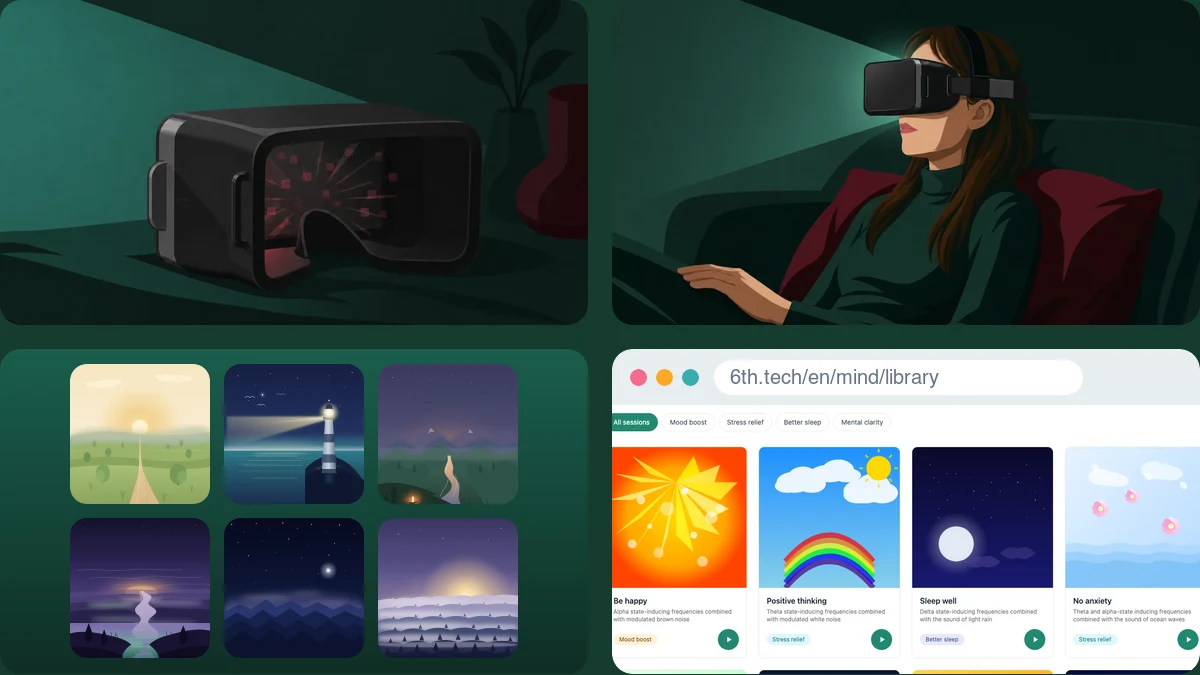
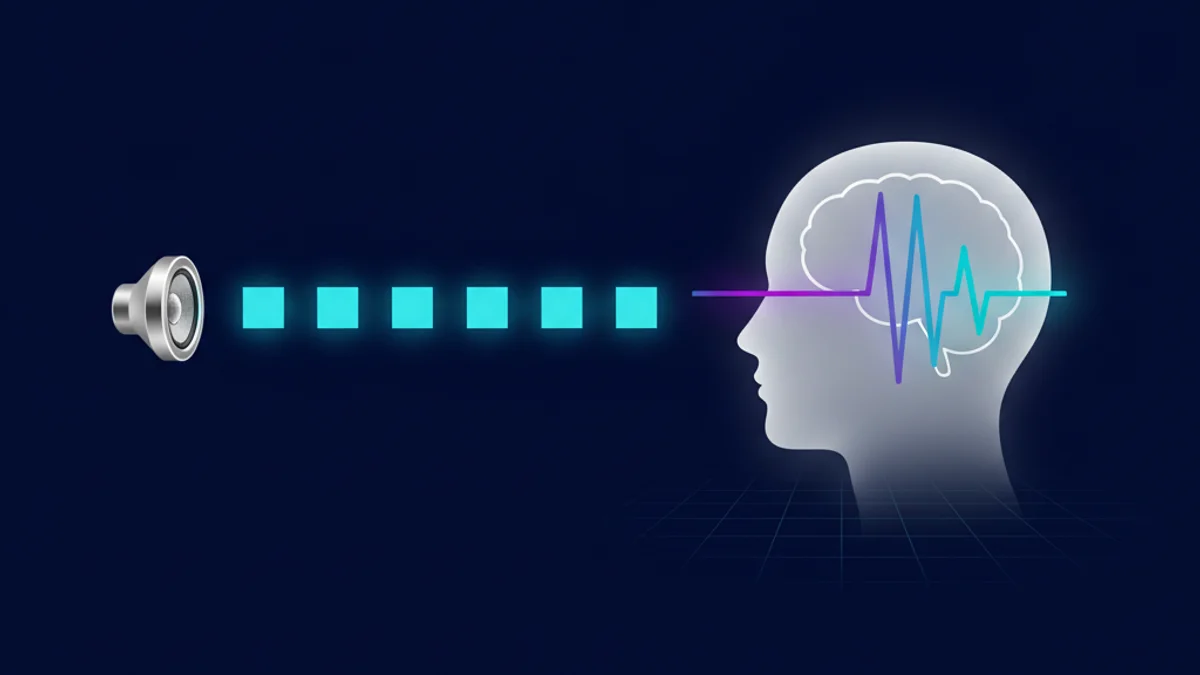
- Audio-Visual Entrainment (AVE) therapy: Uses specific light and sound frequencies to guide brain activity toward relaxation states
AVE therapy offers a unique advantage: it provides stress reduction comparable to cold exposure but works with your body’s natural sleep preparation rather than against it.
What Are Better Evening Alternatives to Cold Exposure?
| Method | Stress Reduction | Sleep Impact | Best Time |
|---|---|---|---|
| Cold Exposure (Ice Bath) | High (250% dopamine increase) | May disrupt if evening (sympathetic activation) | Morning/Early Afternoon |
| AVE Therapy | High (clinically proven stress reduction) | Positive (supports natural sleep preparation) | Anytime, especially evening |
| Warm Bath | Moderate | Positive (aids temperature decrease) | 1-2 hours before bed |
| Meditation/Breathwork | Moderate | Positive (promotes relaxation) | Anytime |
Audio-Visual Entrainment therapy uses precisely calibrated light and sound frequencies to guide your brain into specific states—alpha waves for relaxation, theta waves for deep meditation, or delta waves for sleep preparation. Unlike cold exposure, which achieves stress relief through a sympathetic (fight-or-flight) response, AVE works through parasympathetic (rest-and-digest) activation.
Clinical studies have shown AVE therapy can reduce stress markers while simultaneously improving sleep quality—making it ideal for evening use when you want both benefits without compromise.
How Can I Combine Cold Exposure and AVE Therapy?
For optimal results, many people use both modalities strategically:
Morning routine: Cold exposure for energy, focus, and dopamine boost to start the day Evening routine: AVE therapy for stress reduction and sleep preparation
This approach gives you the neurochemical benefits of cold exposure when they support your circadian rhythm, while using AVE therapy when you need relaxation without sleep disruption.
If you’re new to either practice, start with shorter sessions and gradually increase duration as your body adapts. Monitor your sleep quality using a sleep tracker to fine-tune timing based on your individual response.
Frequently Asked Questions
Q: How long should I wait after an ice bath before going to bed? A: Allow at least 4-5 hours between cold exposure and bedtime. This gives your body enough time to complete the thermoregulatory rebound and return cortisol to baseline levels.
Q: Can I do cold showers in the evening instead of ice baths? A: Cold showers have a similar (though less intense) effect on body temperature and stress hormones. If you prefer cold exposure in the evening, limit it to 1-2 minutes of cold water at the end of a warm shower, and finish with warm water to support temperature decrease.
Q: Is AVE therapy safe for everyone? A: AVE therapy is generally safe for most people, but those with photosensitive epilepsy, severe mental health conditions, or who are pregnant should consult a healthcare provider before use. The 6th Mind app allows you to toggle the stroboscopic lights on/off and choose between 6 or 11-minute sessions.
Q: How quickly does AVE therapy work compared to cold exposure? A: While cold exposure provides immediate neurochemical changes, AVE therapy typically shows effects within 10-20 minutes as your brain entrains to the target frequency. Both require consistent practice for long-term stress management benefits.
Q: Can I use cold exposure and AVE therapy on the same day? A: Yes, and this is actually an optimal approach. Use cold exposure for morning energy and AVE therapy for evening relaxation to get complementary benefits throughout the day.
Q: Will I lose the stress-relief benefits if I only do morning cold exposure? A: No. The stress-reduction and mood benefits of cold exposure persist throughout the day. Studies show improved stress resilience and mood regulation lasting 4-6 hours after morning cold exposure sessions.
Sources
- Srámek, P., et al. (2000). Human physiological responses to immersion into water of different temperatures. European Journal of Applied Physiology, 81(5), 436-442.
- Kräuchi, K., et al. (1999). Warm feet promote the rapid onset of sleep. Nature, 401(6748), 36-37.
- Cold-water immersion and sleep: Effects on recovery. Scandinavian Journal of Medicine & Science in Sports, 2021.
- Thermoregulatory and endocrine responses to cold exposure. Scientific Reports, 2025.